
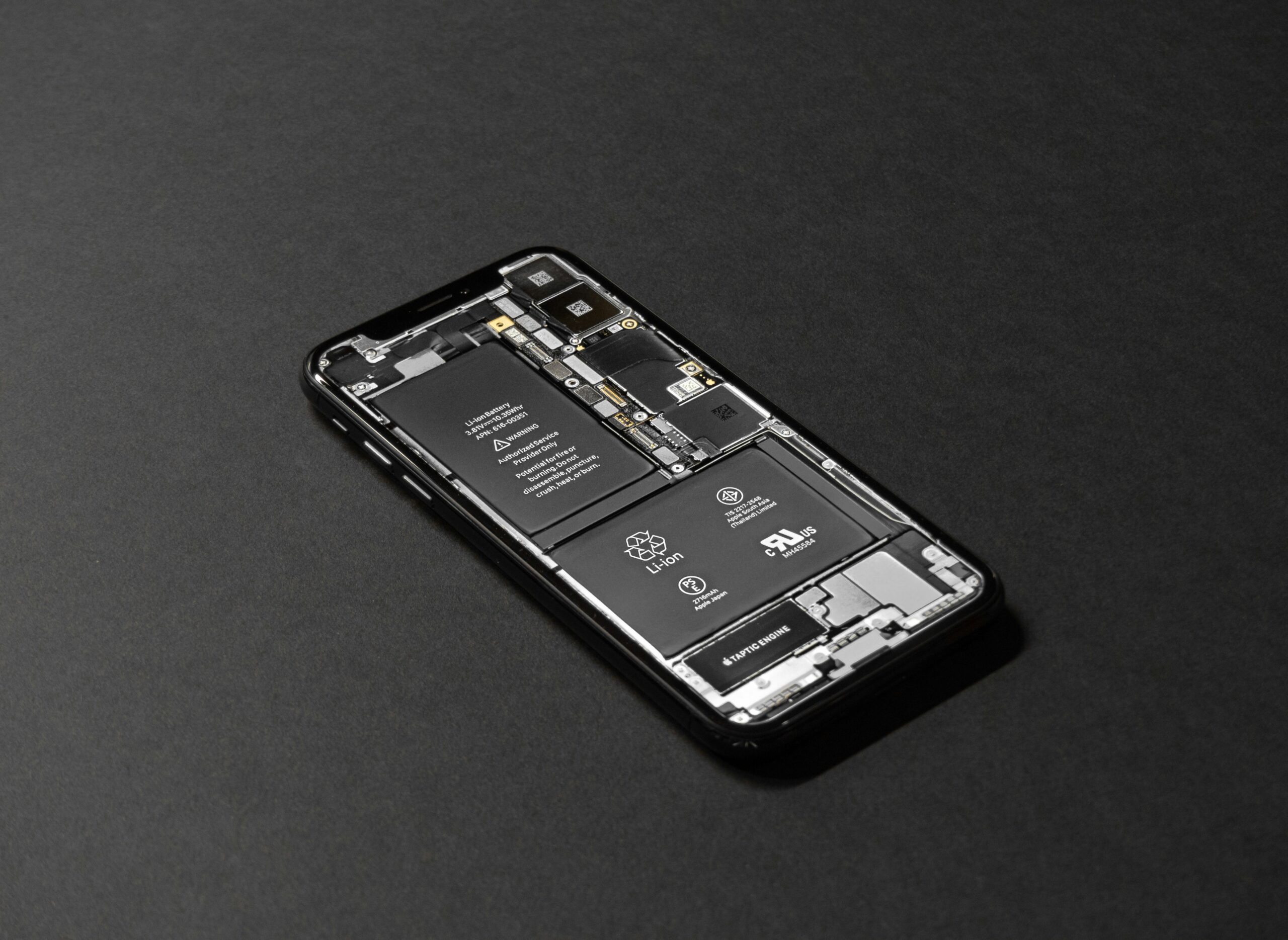
Most people use lithium-ion batteries every day without thinking about what is actually inside them. They power laptops, cell phones, tablets, power tools, barcode scanners, medical devices, e-bikes, backup systems, and many other products used by businesses and households.
From the outside, a lithium-ion battery may look like a simple pack or cell. Inside, it is much more complex. Lithium-ion batteries contain active battery materials, metals, electrolyte, separators, wiring, casing, and safety components that all work together to store and release energy.
Those materials also affect how lithium-ion batteries should be handled at end of life. When batteries are damaged, swollen, outdated, or no longer holding a charge, they should not be thrown in the trash or mixed with ordinary scrap. Battery Recycling & Solutions helps businesses manage lithium-ion battery recycling, battery pickup, sorting, and proper disposal for commercial quantities.
What Is Inside a Lithium-Ion Battery?
A lithium-ion battery contains several layers and materials that work together to move energy safely.
Most lithium-ion batteries contain:
- Lithium-based compounds
- Cathode materials such as cobalt, nickel, manganese, or iron phosphate
- Graphite or other carbon materials
- Copper and aluminum
- Electrolyte solution
- Plastic separators
- Metal or plastic casing
- Wiring, terminals, and protective circuitry
The exact composition depends on the battery type. A laptop battery may have a different chemistry than an electric vehicle battery, power tool battery, or solar storage battery. But the basic idea is the same: lithium ions move between internal layers during charging and discharging.
What Type of Battery Is a Lithium-Ion Battery?
Lithium-ion batteries are rechargeable batteries
Lithium-ion batteries are rechargeable energy storage devices. They are designed to charge, discharge, and recharge many times during their useful life.
That makes them different from single-use batteries, such as many alkaline batteries or lithium primary batteries. Lithium-ion batteries are commonly used where devices need repeated power without constantly replacing the battery.
Common lithium-ion battery formats
Lithium-ion batteries come in several shapes and sizes.
Common formats include:
- Cylindrical cells
- Pouch cells
- Prismatic cells
- Small device batteries
- Larger battery packs
- Battery modules used in equipment or energy storage systems
A cell is the basic energy storage unit. A battery pack may contain several cells connected together, along with wiring, casing, and control electronics.
Why lithium-ion became so common
Lithium-ion batteries became popular because they store a lot of energy in a compact, lightweight package. They are rechargeable, efficient, and flexible enough to be used in many types of devices.
For businesses, that means lithium-ion batteries may appear in IT equipment, handheld electronics, tools, warehouse equipment, medical devices, security systems, and backup power applications. For recyclers, it means these batteries need to be identified, sorted, and handled properly.
The Main Materials Inside Lithium-Ion Batteries
Lithium compounds
Lithium compounds are one of the key parts of a lithium-ion battery. They help move energy by allowing lithium ions to travel between internal battery layers.
Lithium is only one part of the chemistry. It is usually combined with other materials in the cathode, depending on the battery design. That chemistry affects performance, lifespan, stability, and recycling value.
Cobalt, nickel, manganese, or iron phosphate
Many lithium-ion batteries contain metal-based cathode materials. These may include cobalt, nickel, manganese, aluminum, or iron phosphate.
Not every lithium-ion battery uses the same blend. For example, some batteries are designed for high energy density, while others are built for stability, long cycle life, or lower cost.
These materials matter because they help determine how the battery performs and how it should be routed during lithium-ion battery recycling.
Graphite
Graphite is commonly used in the anode, which is one of the main internal battery layers.
During charging, lithium ions move into the graphite structure. During discharge, those ions move back out and help create usable power.
Graphite is not something most people think about, but it plays a major role in how lithium-ion batteries charge, store energy, and deliver power.
Copper and aluminum
Copper and aluminum are used as current collectors inside many lithium-ion batteries. They help move electrical current through the battery.
These metals are also important from a recycling standpoint. When lithium-ion batteries are processed properly, materials like copper and aluminum can be separated and routed into recovery streams.
Electrolyte solution
The electrolyte is the chemical medium that allows lithium ions to move inside the battery.
Without electrolyte, the battery could not charge or discharge properly. It is one of the most important internal materials, but it also creates concerns when a battery is damaged.
If a lithium-ion battery is punctured, crushed, leaking, swollen, or overheated, internal materials can become exposed. That is one reason damaged batteries should be handled carefully and kept out of regular trash.
Plastic separators
Plastic separators sit between the internal battery layers. Their job is to keep the positive and negative sides from touching directly while still allowing ions to move.
This separation is critical. If the wrong internal layers touch, the battery can short circuit.
In simple terms, separators help the battery work safely when everything is functioning as designed.
Casing, wiring, and terminals
Lithium-ion batteries also include outer casing, wiring, terminals, and sometimes connectors or circuit boards.
The casing protects the internal cells from physical damage. Wiring and terminals allow the battery to connect to the device or system it powers.
In larger battery packs, these parts become even more important because several cells may be connected together.
Battery management system
Many lithium-ion battery packs include a battery management system, often called a BMS.
The BMS helps monitor charging, discharging, voltage, temperature, and cell balance. It acts as a control system that helps the battery operate within safer limits.
This is especially important in larger battery packs used in laptops, power tools, e-bikes, energy storage systems, and commercial equipment.
How a Lithium-Ion Battery Is Built
A lithium-ion battery is not one solid block. It is a layered system.
Inside the battery, the cathode, anode, separator, and electrolyte work together to store and release energy. Current collectors move electrical current, while the casing protects the battery from damage.
In a battery pack, multiple cells may be connected together to provide the voltage and capacity needed for the device. That is why a damaged battery pack can involve more than one cell. Even if the outside damage looks small, the internal structure may be affected.
Why Lithium-Ion Batteries Can Become a Problem
Heat buildup
Lithium-ion batteries are designed to handle normal charging and discharging, but heat can create problems over time.
Heavy use, poor ventilation, aging cells, charging issues, or physical damage can all increase battery stress. Heat can speed up battery degradation and make existing damage worse.
Swelling batteries
A swollen lithium-ion battery is a warning sign. Swelling can happen when gas builds up inside failing or damaged cells.
If a battery looks puffed up, warped, cracked, or misshapen, it should be treated as damaged. Do not press it down, puncture it, crush it, or try to force it back into a device.
Fire risks
Damaged lithium-ion batteries can create fire risks under the wrong conditions. Crushing, puncturing, overheating, short circuits, and improper storage can all increase the danger.
This is why lithium-ion batteries should not be mixed with regular trash, loose scrap metal, or general waste.
Why damaged batteries should not go in the trash
Damaged lithium-ion batteries should not go in the trash. They can create risks during collection, transport, compacting, sorting, and disposal.
They also contain materials that should be recovered or managed properly. Throwing them away wastes recoverable materials and increases the chance of improper handling.
Why Lithium-Ion Batteries Should Be Recycled
Lithium-ion batteries contain materials that can be processed, separated, or recovered through proper recycling channels. Recycling helps keep batteries out of regular trash and supports responsible material management.
Lithium-ion battery recycling helps businesses:
- Manage old batteries safely
- Clear out storage areas
- Handle bulk battery loads
- Separate damaged batteries from normal batteries
- Keep recoverable materials moving through the right process
- Reduce improper disposal
For businesses, this is especially important during IT cleanouts, equipment upgrades, battery replacements, warehouse cleanouts, and electronics recycling projects.
Frequently Asked Questions About Lithium-Ion Batteries
What materials are inside lithium-ion batteries?
Lithium-ion batteries may contain lithium compounds, graphite, cobalt, nickel, manganese, iron phosphate, copper, aluminum, electrolyte, separators, casing, wiring, and protective circuitry.
Do lithium-ion batteries contain lithium metal?
Most rechargeable lithium-ion batteries do not use lithium metal in the same way as lithium primary batteries. They use lithium compounds that allow lithium ions to move during charging and discharging.
Why do lithium-ion batteries need special handling?
They store energy and contain chemical components that can create concerns if the battery is damaged, crushed, punctured, swollen, overheated, or improperly stored.
Can lithium-ion batteries catch fire?
Yes. Damaged or mishandled lithium-ion batteries can catch fire, especially if they are punctured, crushed, overheated, or short-circuited.
Can lithium-ion batteries be recycled?
Yes. Lithium-ion batteries can be recycled through proper battery recycling programs. Recycling helps manage battery materials responsibly and keeps batteries out of regular trash.
What metals can be recovered from lithium-ion batteries?
Recoverable materials may include copper, aluminum, nickel, cobalt, lithium, manganese, steel, and other battery-related materials, depending on the battery chemistry and recycling process.
Does Battery Recycling & Solutions recycle lithium-ion batteries?
Yes. Battery Recycling & Solutions helps businesses with lithium-ion battery recycling, battery pickup, sorting, proper disposal, and bulk battery management.
Conclusion
Lithium-ion batteries may look simple from the outside, but inside they contain a complex mix of active materials, metals, electrolyte, separators, casing, wiring, and safety circuitry.
Those materials make lithium-ion batteries useful, but they also make proper handling and recycling important. Damaged batteries can swell, overheat, or create fire risks, while discarded batteries can waste recoverable materials.
If your business is managing old lithium-ion batteries, damaged batteries, electronics, tools, laptops, or bulk battery loads, Battery Recycling & Solutions can help with battery recycling, pickup coordination, sorting, and proper disposal for commercial quantities.