
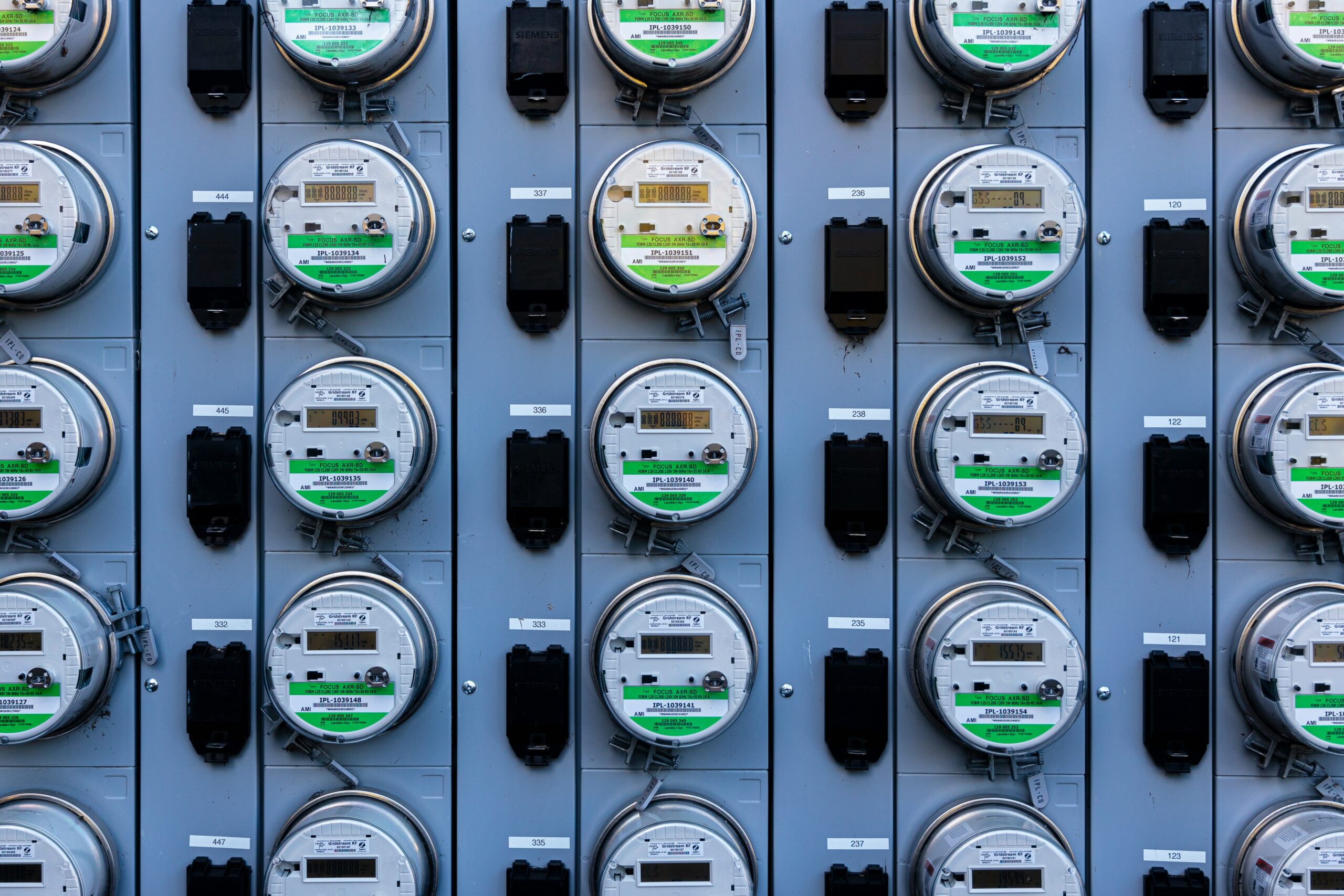
Municipal meters are used every day to measure essential public services. They track water use, electric service, gas consumption, and other utility activity for homes, businesses, public buildings, and municipal systems.
Most people only notice these meters when they receive a utility bill or when a technician comes to replace one. But inside many modern municipal meters are metals, plastics, electronics, wiring, circuit boards, displays, communication modules, and batteries. Those materials make the meter useful during service, but they also make proper recycling important when the meter reaches end of life.
Municipal meter recycling helps cities, utilities, contractors, and public works departments manage outdated or replaced meters responsibly. If your organization is handling used meters, smart meter batteries, or bulk utility equipment, Battery Recycling & Solutions can help with pickup coordination, sorting, battery recycling, and proper disposal for commercial quantities.
What Does Municipal Meter Mean?
A municipal meter is a measuring device used by a municipality, utility, or public service provider to track usage.
In simple terms:
- A water meter measures water usage
- An electric meter measures electricity usage
- A gas meter measures natural gas usage
- A smart meter may collect and transmit usage data electronically
Older meters were often mostly mechanical. Newer meters may include electronic registers, sensors, transmitters, communication boards, and batteries.
That shift matters because modern meters are no longer just metal housings and moving parts. Many are now mixed-material devices that need to be handled more like electronics than ordinary scrap.
Common Types of Municipal Meters
Water meters
Water meters are commonly used by municipalities and water utilities to measure how much water flows into a property. They may be installed in homes, commercial buildings, industrial sites, schools, municipal facilities, and public infrastructure.
Modern water meters may include electronic reading modules, radio transmitters, or long-life batteries used for remote meter reading.
Electric meters
Electric meters measure power usage. Many modern electric meters are smart meters that communicate usage data automatically.
These meters may contain circuit boards, displays, plastics, wiring, metal parts, and electronic components that should be recycled properly when removed from service.
Gas meters
Gas meters measure natural gas usage for residential, commercial, and municipal properties. Some newer gas meters also include electronic modules or battery-powered communication systems.
Like other utility meters, they can generate mixed materials during replacement projects.
Smart meters
Smart meters are designed to collect and send usage data without manual reading. They are commonly used in modern water, gas, and electric systems.
Because smart meters can include circuit boards, communication equipment, batteries, and plastic housings, they require more careful sorting and recycling than basic mechanical meters.
What Is Inside a Municipal Meter?
Municipal meters can contain different materials depending on the type, age, and design.
Common materials may include:
- Brass, copper, aluminum, steel, or other metals
- Plastic housings and covers
- Circuit boards
- Wiring and connectors
- Digital displays
- Sensors and registers
- Radio or communication modules
- Lithium primary batteries or other battery types
Older mechanical meters may have more metal content. Newer smart meters often contain more electronics and battery-powered components.
This is one reason municipal meter recycling should be planned carefully. A citywide replacement project can produce large amounts of mixed material at once.
Why Municipal Meters Should Be Recycled
They contain recoverable materials
Municipal meters often contain metals, plastics, and electronic components that can be recovered or processed through proper recycling channels.
Throwing them away wastes materials that may still have value in recycling streams.
Smart meters may contain batteries
Many modern meters use batteries to power communication modules, data collection systems, or electronic registers. These batteries should not be ignored or mixed into ordinary waste.
Battery recycling is especially important when meters are removed in bulk. Even small batteries can become a larger handling issue when a municipality replaces thousands of meters at once.
They are often generated in bulk
Municipal meter replacement programs can create large volumes of old equipment. Public works departments, utility contractors, and municipalities may suddenly have pallets, bins, or containers of used meters to manage.
Bulk quantities need sorting, storage, and proper pickup planning.
They should not be treated like regular trash
Municipal meters may contain electronics, batteries, metals, and other materials that should be handled through recycling instead of regular disposal.
A proper recycling process helps keep these materials out of the ordinary waste stream and makes the project more organized.
How Municipal Meters Can Become a Problem
Mixed material construction
Municipal meters are not always simple to recycle because they can contain several material types in one unit. A single meter may include metal, plastic, electronics, wiring, and a battery.
That mixed construction makes sorting important.
Battery-powered modules
Smart meters and remote reading devices may include lithium primary batteries or other specialty batteries. These batteries should be identified and separated when required. The most common type of battery in smart meters are lithium thionyl chloride batteries, which require proper end-of-life handling.
Improper battery handling can create safety and storage concerns, especially in bulk loads.
Damaged or corroded meters
Meters removed from outdoor, underground, or utility environments may be dirty, corroded, cracked, or damaged. Damaged components should be handled carefully and reviewed before recycling.
How Businesses and Municipalities Should Handle Old Meters
The first step is identifying the type of meters being removed. A load of old mechanical water meters may need a different approach than a mixed load of smart meters with batteries and electronics.
Meters should be stored in a controlled area where they will not be crushed, exposed to unnecessary damage, or mixed with unrelated waste. If batteries are present, they should be identified and managed through proper battery recycling channels.
For large projects, municipalities and contractors should work with a recycling provider that can help with sorting, pickup, and material handling. This makes the recycling process cleaner and easier to manage.
How Battery Recycling & Solutions Helps With Municipal Meter Recycling
Battery Recycling & Solutions helps municipalities, utilities, contractors, and commercial generators manage municipal meter recycling and battery recycling.
The company can help with used water meters, smart meter batteries, lithium primary batteries, mixed battery loads, bulk pickup, sorting, and proper disposal for commercial quantities.
For public works departments, utility contractors, and organizations managing meter replacement projects, Battery Recycling & Solutions provides a practical path for responsible recycling.
Frequently Asked Questions About Municipal Meters
What are municipal meters?
Municipal meters are devices used to measure utility usage, such as water, electricity, or gas.
Do municipal meters contain batteries?
Some modern smart meters and remote reading modules contain batteries, especially long-life lithium primary batteries.
Can municipal meters be recycled?
Yes. Municipal meters can often be recycled because they contain metals, plastics, electronics, and sometimes batteries.
Why should old municipal meters be recycled?
They should be recycled to recover useful materials, keep batteries and electronics out of regular trash, and manage bulk replacement projects responsibly.
How should municipalities dispose of old meters?
Municipalities should sort old meters, identify any battery-powered units, separate damaged materials when needed, and arrange recycling with an experienced provider.
Does Battery Recycling & Solutions recycle municipal meter batteries?
Yes. Battery Recycling & Solutions helps with municipal meter battery recycling, sorting, pickup, and bulk battery management.
Final Thoughts: Recycling Municipal Meters the Right Way
Municipal meters may look simple from the outside, but many contain metals, plastics, electronics, communication modules, and batteries. That makes proper recycling important, especially when meters are removed in large quantities.
Understanding what municipal meters are, where they are used, and how they should be handled at end of life helps municipalities and contractors manage replacement projects more responsibly.
Battery Recycling & Solutions helps businesses, utilities, municipalities, and contractors with municipal meter recycling, battery recycling, pickup coordination, sorting, and proper disposal for commercial quantities.