
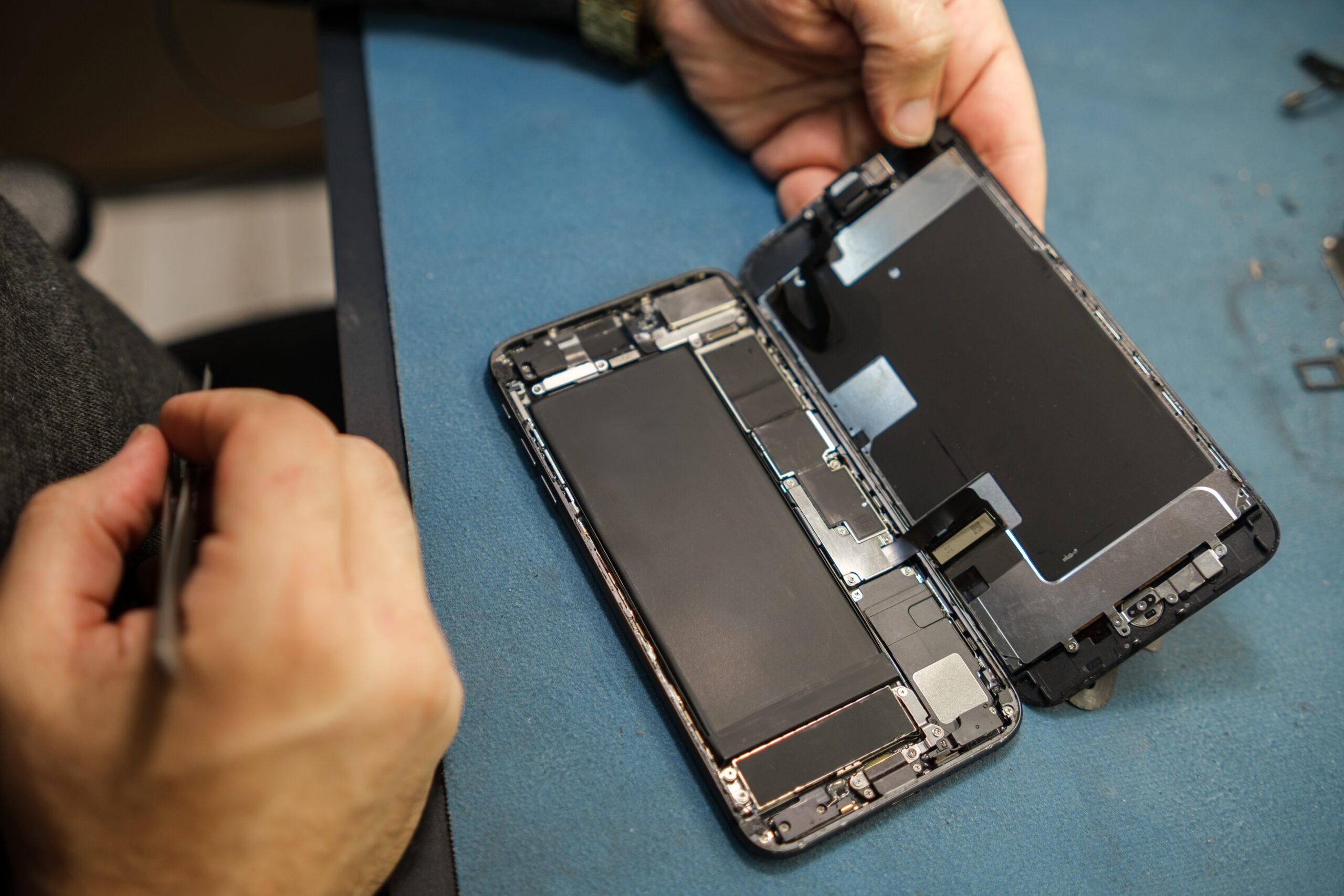
Lithium batteries are found in more places than many people realize. They power the devices we carry, the tools we use, the equipment businesses rely on, and the newer vehicles moving through warehouses, roads, and job sites.
Because lithium batteries are lightweight, powerful, and long-lasting, they have become a common choice for modern electronics and rechargeable equipment. But when these batteries reach the end of their life, they should not be thrown into regular trash or left sitting in storage for years.
For businesses, schools, municipalities, repair shops, warehouses, IT departments, and facilities teams, knowing which devices contain lithium batteries is the first step toward safer storage and proper battery recycling.
Why Lithium Batteries Are So Common
Lithium batteries are popular because they can store a lot of energy in a small space. That makes them useful in devices where size, weight, and performance matter.
A phone needs to be thin and portable. A laptop needs to run for hours without being plugged in. A power tool needs strong output without a heavy cord. An electric vehicle needs a large rechargeable battery pack that can deliver consistent power.
Lithium battery chemistry makes these uses possible, which is why these batteries are now found in so many products.
Everyday Devices With Lithium Batteries
Most people interact with lithium batteries every day. Cell phones, laptops, tablets, wireless earbuds, smartwatches, cameras, handheld gaming systems, Bluetooth speakers, and portable chargers often use lithium-ion batteries.
Many of these batteries are built into the device, which means they are not always easy to see or remove. A phone or tablet may look like one solid unit, but the battery inside still needs proper handling when the device is damaged, outdated, or no longer working.
Tools, Equipment, and Workplace Devices
Lithium batteries are also common in commercial and industrial settings. Cordless drills, saws, scanners, barcode readers, two-way radios, handheld medical devices, testing equipment, cleaning machines, and rechargeable warehouse tools may all use lithium battery packs.
Businesses often collect these batteries during equipment upgrades or daily operations. Over time, old batteries can end up in maintenance rooms, IT closets, tool cages, storage cabinets, or warehouse bins.
Mobility and Transportation Devices
Lithium batteries are widely used in electric bikes, scooters, hoverboards, mobility devices, golf carts, electric forklifts, hybrid vehicles, and electric vehicles. These batteries can range from small removable packs to large battery systems built into the equipment.
Larger lithium battery packs need more careful handling, especially if they are damaged, swollen, overheated, involved in an accident, or exposed to water.
Backup Power and Specialty Devices
Lithium batteries may also be found in backup power systems, security equipment, emergency devices, smart meters, sensors, GPS units, medical equipment, data collection devices, and remote monitoring systems.
Some of these devices use rechargeable lithium-ion batteries, while others use primary lithium batteries that are not rechargeable. Both types should be identified before recycling because they may follow different handling routes.
Why Identification Matters Before Recycling
Not every battery should be handled the same way. Lithium-ion batteries, lithium primary batteries, lead acid batteries, alkaline batteries, NiCad batteries, and NiMH batteries all have different chemistries.
Before recycling, lithium batteries should be separated from general waste and checked for damage. Batteries that are swollen, leaking, cracked, burned, unusually hot, or punctured should be kept separate from normal used batteries.
Battery Recycling & Solutions helps businesses identify, sort, pick up, and recycle lithium batteries from electronics, tools, equipment, mobility devices, and mixed battery loads.
Frequently Asked Questions
Do all electronics have lithium batteries?
No. Many modern rechargeable electronics use lithium batteries, but some devices may use alkaline, NiMH, NiCad, or other battery types.
Can lithium batteries go in the trash?
No. Lithium batteries should not be thrown into regular trash. They should be recycled through the proper battery recycling process.
Are damaged lithium batteries different?
Yes. Damaged lithium batteries should be separated, stored carefully, and handled with extra caution before recycling.
Final Thoughts
Lithium batteries are found in phones, laptops, tools, scooters, electric vehicles, meters, medical devices, backup systems, and many other products. They are useful because they are powerful and compact, but they still need proper end-of-life handling.
The best approach is simple: identify the device, check the battery condition, separate damaged batteries, and recycle them through the right process. Battery Recycling & Solutions helps businesses manage lithium battery recycling in a cleaner, safer, and more organized way.