
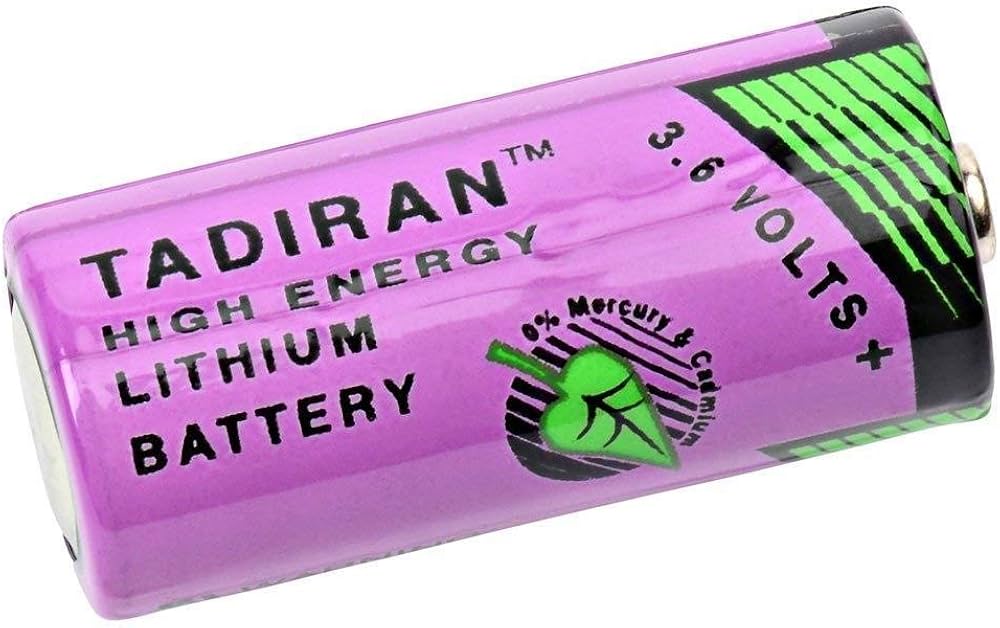
Lithium thionyl chloride batteries are used in many systems that need long-lasting, dependable power. They are not the same as rechargeable lithium-ion batteries found in laptops, phones, or power tools. Instead, they are usually primary lithium batteries, which means they are designed to be used until depleted and then replaced.
Most businesses do not think much about what is inside these batteries until they are removed from meters, sensors, tracking devices, medical equipment, or industrial systems. But their internal materials matter. They affect performance, storage, safety, handling, and why proper lithium thionyl chloride battery recycling is important at end of life.
Battery Recycling & Solutions helps businesses identify, sort, collect, and recycle lithium thionyl chloride batteries through an approved recycling process built for commercial quantities, bulk loads, and responsible battery recycling.
What Is a Lithium Thionyl Chloride Battery?
A lithium thionyl chloride battery is a type of non-rechargeable lithium primary battery. It is commonly written as Li-SOCl₂ and is known for long service life, steady voltage, and strong performance in specialty applications.
In simple terms, a lithium thionyl chloride battery is:
- A primary lithium battery
- Usually not rechargeable
- Built for long-term power delivery
- Common in meters, sensors, trackers, and industrial devices
- Made with lithium metal and thionyl chloride chemistry
- A battery type that needs proper handling and recycling
These batteries are often used where replacing batteries frequently would be difficult, expensive, or inconvenient.
What Type of Lithium Thionyl Chloride Battery Is Commonly Used?
The most common type used today
Many lithium thionyl chloride batteries are cylindrical cells. They may look similar to other round lithium batteries, but their chemistry is different.
Some are small cells used in sensors or meters. Others are larger cells or battery packs built into commercial, utility, or industrial equipment.
Older or less common formats
Lithium thionyl chloride batteries may also be found in custom packs, specialty assemblies, or equipment-specific battery modules. These can include wiring, connectors, sleeves, housings, or multiple cells connected together.
That can make identification harder, especially when the battery has been removed from older equipment or stored for years.
Why this chemistry is used
Lithium thionyl chloride batteries are often chosen because they can provide long shelf life and dependable power in low-drain applications. They are useful in devices that need to run for years without frequent service.
For businesses, that performance is helpful during use. At end of life, it also means these batteries should be managed as specialty lithium primary batteries, not basic trash.
The Main Materials Inside Lithium Thionyl Chloride Batteries
Lithium metal
Lithium metal is one of the key materials inside these batteries. It acts as the anode and plays a major role in how the battery stores and releases energy.
Lithium metal is also one reason proper handling matters. These batteries should not be opened, crushed, punctured, or mixed carelessly with regular waste.
Thionyl chloride
Thionyl chloride is part of the battery’s internal chemistry. It helps the battery deliver power over a long period of time and is one of the materials that makes this battery type different from rechargeable lithium-ion batteries.
Because of this specialized chemistry, lithium thionyl chloride battery recycling should be handled through a proper battery recycling process.
Carbon cathode structure
Many lithium thionyl chloride batteries use a carbon-based cathode structure. This part helps support the battery’s internal reaction and power delivery.
It may not be visible from the outside, but it is part of the internal design that allows the battery to function in long-life applications.
Electrolyte chemistry
The internal electrolyte helps move ions and supports the chemical reaction inside the battery. Without it, the battery cannot produce power.
This is one reason damaged batteries should be handled carefully. If a battery is leaking, cracked, crushed, or punctured, internal materials may become exposed.
Separator materials
Separators help keep internal battery layers apart while still allowing the battery reaction to work. This is important because direct contact between the wrong internal parts can create problems.
Separators are small but important safety and performance components.
Metal casing and terminals
The outer metal casing protects the battery’s internal materials. Terminals or leads allow the battery to connect to the device it powers.
If the casing becomes damaged, corroded, dented, or leaking, the battery should be separated and treated as damaged.
How Lithium Thionyl Chloride Batteries Work
Lithium thionyl chloride batteries create power through a chemical reaction between lithium metal and the thionyl chloride-based chemistry inside the cell.
The battery is designed to release energy steadily over time. That is why it works well in devices that do not need constant recharging but do need reliable power for long periods.
Unlike lithium-ion batteries, these batteries are not meant to be recharged. Once depleted, they should be removed from service and sent through proper lithium primary battery recycling.
Why Lithium Thionyl Chloride Batteries Can Become a Problem
Physical damage
A lithium thionyl chloride battery can become a concern if it is crushed, punctured, dented, leaking, or burned. Damaged batteries should not be mixed into general battery bins without proper review.
Chemical exposure concerns
Because these batteries contain specialized lithium chemistry, they should not be opened or broken apart by untrained staff. Internal materials can create handling concerns if exposed.
Mixed battery loads
Businesses often collect many battery types at once. Lithium thionyl chloride batteries may be mixed with alkaline, lithium-ion, lead acid, nickel-cadmium, or lithium iron phosphate batteries.
That can make sorting more complicated. Proper identification helps keep the recycling process organized.
Improper storage
Leaving old lithium thionyl chloride batteries in random boxes, maintenance rooms, or storage closets can create confusion later. Labels may fade, batteries may be forgotten, and damaged cells may go unnoticed.
Why Lithium Thionyl Chloride Batteries Should Be Recycled
Lithium thionyl chloride battery recycling helps businesses keep specialty batteries out of regular trash and move them into a responsible recycling process.
Proper recycling helps businesses:
- Manage lithium primary batteries correctly
- Reduce improper disposal
- Separate specialty batteries from general waste
- Handle bulk quantities more efficiently
- Keep storage areas cleaner and more organized
- Support responsible battery recycling practices
For businesses, municipalities, utilities, and manufacturers, recycling is the practical way to manage these batteries once they are no longer usable.
Common Places Businesses Find Lithium Thionyl Chloride Batteries
Lithium thionyl chloride batteries are often found in commercial and industrial equipment that needs long-term power.
Common sources include:
- Utility meters
- Water meters
- Gas meters
- Electric meters
- Remote sensors
- GPS tracking devices
- Security systems
- Medical devices
- Industrial controls
- Wireless monitoring systems
- Asset tracking equipment
- Municipal infrastructure
- Emergency equipment
- Internet of Things devices
They often appear during equipment upgrades, field service work, cleanouts, replacement programs, and decommissioning projects.
How Businesses Should Handle Lithium Thionyl Chloride Batteries at End of Life
Businesses should start by identifying the battery chemistry. Look for markings such as Li-SOCl₂, lithium thionyl chloride, lithium primary, or related labeling.
Next, separate these batteries from regular trash and mixed scrap. Check for damage, corrosion, leaking, swelling, broken casing, or exposed terminals. Damaged batteries should be kept separate and reviewed before pickup.
Store batteries in a controlled area where they will not be crushed, punctured, overheated, or mixed with loose metal. For bulk quantities, work with an experienced battery recycling provider that can help with sorting, pickup, and proper recycling.
How Lithium Thionyl Chloride Batteries Compare to Similar Batteries
Lithium Thionyl Chloride Batteries vs Lithium-Ion Batteries
Lithium-ion batteries are rechargeable and common in laptops, phones, tablets, tools, and scanners. Lithium thionyl chloride batteries are usually non-rechargeable and used in long-life specialty devices.
Both require proper recycling, but they should be sorted correctly.
Lithium Thionyl Chloride Batteries vs Alkaline Batteries
Alkaline batteries are common in basic devices like remotes and flashlights. Lithium thionyl chloride batteries are more specialized and used when long-term performance matters.
They should not be treated as the same battery type during bulk battery recycling.
Lithium Thionyl Chloride Batteries vs Other Lithium Primary Batteries
Lithium thionyl chloride batteries are one type of lithium primary battery. Other lithium primary batteries may use different chemistries.
That is why battery labels, device source, and proper sorting are important.
How Battery Recycling & Solutions Helps With Lithium Thionyl Chloride Battery Recycling
Battery Recycling & Solutions helps businesses manage lithium thionyl chloride battery recycling with proper sorting, pickup, and responsible recycling support.
The company can help with commercial quantities, bulk battery loads, lithium primary battery recycling, mixed battery types, and batteries removed during equipment upgrades or cleanouts.
For businesses unsure how to handle old or specialty batteries, Battery Recycling & Solutions provides a clear path for proper disposal and approved recycling.
Frequently Asked Questions About Lithium Thionyl Chloride Batteries
What is inside a lithium thionyl chloride battery?
A lithium thionyl chloride battery typically contains lithium metal, thionyl chloride chemistry, carbon cathode material, electrolyte, separators, metal casing, and terminals.
Are lithium thionyl chloride batteries rechargeable?
Most lithium thionyl chloride batteries are not rechargeable. They are primary batteries designed to be used until depleted and then replaced.
What are lithium thionyl chloride batteries used for?
They are commonly used in meters, sensors, tracking devices, medical equipment, security systems, industrial controls, and remote monitoring equipment.
Can lithium thionyl chloride batteries be recycled?
Yes. Lithium thionyl chloride battery recycling is available through proper battery recycling programs.
Why do these batteries need special handling?
They contain lithium metal and specialized internal chemistry. Damaged, leaking, crushed, or punctured batteries should be handled carefully and kept out of regular trash.
Does Battery Recycling & Solutions recycle lithium thionyl chloride batteries?
Yes. Battery Recycling & Solutions helps businesses with lithium thionyl chloride battery recycling, lithium primary battery recycling, bulk pickup, sorting, and responsible battery recycling services.
Conclusion
Lithium thionyl chloride batteries may look simple from the outside, but inside they contain lithium metal, thionyl chloride chemistry, carbon materials, electrolyte, separators, casing, and terminals. Those materials help the battery deliver long-lasting power, but they also make proper handling and recycling important.
Businesses should avoid throwing these batteries into regular trash or leaving them unmanaged in storage. Proper recycling helps reduce clutter, support responsible material handling, and move specialty lithium batteries through the right end-of-life process.
Battery Recycling & Solutions helps businesses with lithium thionyl chloride battery recycling, pickup, sorting, disposal, and bulk battery management.