
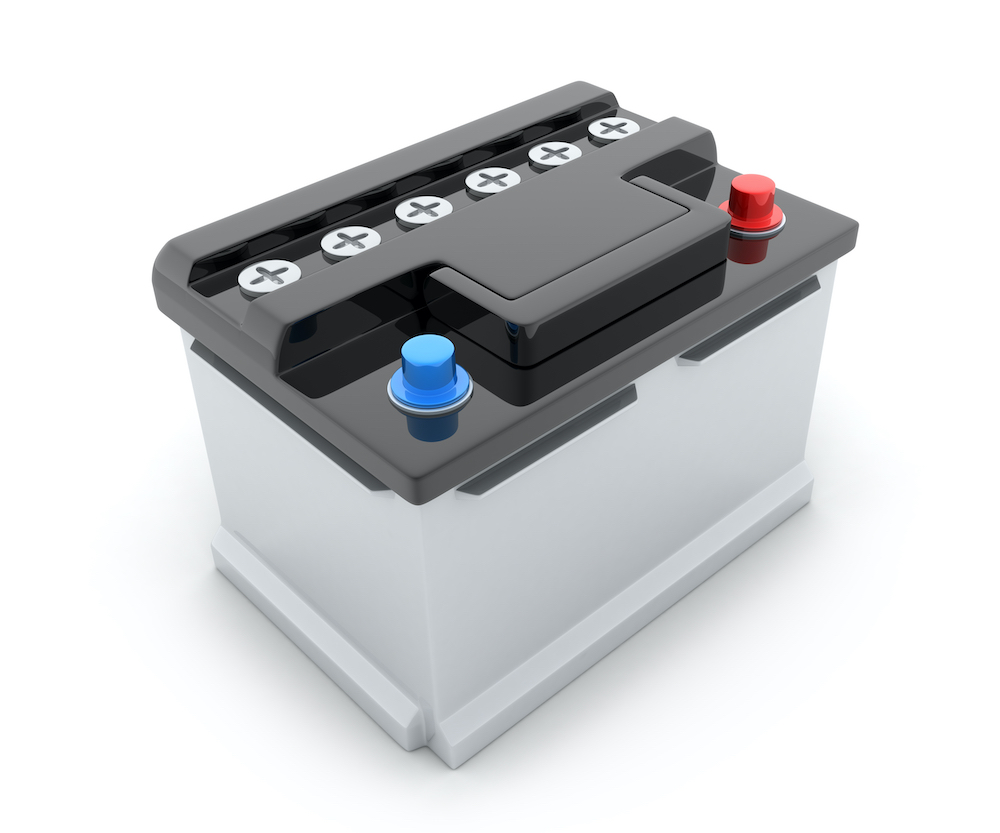
Lead acid batteries are one of the most common battery types used by businesses, facilities, vehicles, backup power systems, and industrial equipment. They are familiar, reliable, and widely used, but they still need proper handling when they reach the end of their life.
Most people recognize lead acid batteries from cars and trucks, but they are also found in UPS systems, telecom cabinets, forklifts, emergency lighting, mobility equipment, security systems, and commercial backup power applications. When these batteries stop working, they should not be thrown in the trash, left in storage, or mixed with general scrap.
Lead acid battery recycling helps recover useful materials, reduce improper disposal, and keep old batteries moving through the right recycling process. If your business is dealing with used, damaged, outdated, or bulk lead acid batteries, Battery Recycling & Solutions can help with pickup, sorting, and responsible battery recycling for commercial quantities.
What Is a Lead Acid Battery?
A lead acid battery is a rechargeable battery that uses lead plates and sulfuric acid to store and release electrical energy.
How it works:
- Lead plates help create and store energy
- Sulfuric acid acts as the electrolyte
- The plastic casing protects the internal parts
- Terminals connect the battery to equipment
- The battery can be charged, discharged, and recharged
That chemistry has been used for a long time because it is dependable and practical for heavy-duty power needs. But because lead acid batteries contain lead, acid, and other materials, they should always be managed through proper battery recycling channels.
Common Types of Lead Acid Batteries
Flooded Lead Acid Batteries
Flooded lead acid batteries are the traditional type. They contain liquid electrolyte that moves freely inside the battery.
These batteries are common in cars, trucks, forklifts, golf carts, industrial equipment, and some backup power systems. They may require maintenance and should usually stay upright to help prevent leaks or spills.
Sealed Lead Acid Batteries
Sealed lead acid batteries, often called SLA batteries, are designed to be lower maintenance than flooded batteries. They are sealed under normal use and are commonly found in emergency lighting, small UPS systems, alarms, medical equipment, and mobility devices.
Even though they are sealed, they are still lead acid batteries and should be recycled properly.
AGM and Gel Batteries
AGM and Gel batteries are types of valve regulated lead acid batteries, also called VRLA batteries.
AGM batteries use absorbent glass mats to hold the electrolyte in place. Gel batteries use a thick gel-like electrolyte. Both are spill-resistant and commonly used in backup power, mobility equipment, solar systems, telecom equipment, and commercial applications.
Why Lead Acid Batteries Should Be Recycled
Lead acid batteries contain materials that can be recovered and reused through the right recycling process. Lead, plastic, and other components can be separated instead of being wasted.
Proper lead acid battery recycling helps businesses:
- Keep batteries out of regular trash
- Manage bulk battery loads
- Reduce clutter in storage areas
- Separate damaged batteries from intact units
- Route recoverable materials into proper recycling channels
- Avoid mixing batteries with general scrap or waste
For businesses, this is especially important during equipment upgrades, UPS replacements, fleet maintenance, warehouse cleanouts, or facility projects.
How to Handle Lead Acid Batteries Before Recycling
The first step is to identify the battery type. Look for labels such as lead acid, sealed lead acid, SLA, VRLA, AGM, Gel, or flooded.
Next, check the condition of the battery. Batteries with cracks, leaks, corrosion, swelling, damaged terminals, or acid residue should be kept separate and handled carefully.
Lead acid batteries should be stored upright when possible and kept in a controlled area where they will not be crushed, tipped, punctured, or mixed with loose metal. For larger quantities, it is best to organize batteries by type and condition before pickup.
What Not to Do With Lead Acid Batteries
Do not throw lead acid batteries in regular trash. Do not leave them sitting outside where they can be exposed to weather, impact, or damage. Do not mix leaking batteries with intact batteries without separating them first.
A battery that looks old or dead may still contain materials that need proper handling. Treat every lead acid battery as something that should be recycled, not discarded casually.
How Battery Recycling & Solutions Helps
Battery Recycling & Solutions helps businesses manage lead acid battery recycling for commercial quantities and bulk battery loads.
The company can help with flooded lead acid batteries, sealed lead acid batteries, AGM batteries, Gel batteries, UPS batteries, forklift batteries, telecom batteries, backup power batteries, and mixed battery loads.
For businesses with old lead acid batteries sitting in maintenance rooms, warehouses, server rooms, utility closets, or equipment areas, Battery Recycling & Solutions provides a practical path for pickup, sorting, and proper recycling.
Frequently Asked Questions About Lead Acid Battery Recycling
Can lead acid batteries be recycled?
Yes. Lead acid batteries can be recycled through proper battery recycling programs.
What types of lead acid batteries can be recycled?
Flooded, sealed lead acid, AGM, Gel, VRLA, UPS, forklift, telecom, and vehicle batteries can all be recycled through the proper process.
Can lead acid batteries go in the trash?
No. Lead acid batteries should not be thrown into regular trash. They should be separated and recycled.
What should businesses do with leaking lead acid batteries?
Leaking batteries should be kept separate, stored carefully, and reviewed before pickup or recycling.
Does Battery Recycling & Solutions recycle lead acid batteries?
Yes. Battery Recycling & Solutions helps businesses with lead acid battery recycling, pickup, sorting, and bulk battery management.
Final Thoughts
Lead acid batteries are common, useful, and dependable, but they need the right end-of-life plan. Whether they come from vehicles, UPS systems, forklifts, telecom equipment, backup power, or facility cleanouts, they should be recycled instead of thrown away.
A clear recycling process helps businesses reduce clutter, manage materials responsibly, and keep recoverable materials moving through the right channels.
Battery Recycling & Solutions helps businesses with lead acid battery recycling, pickup coordination, sorting, and proper disposal for commercial quantities.