
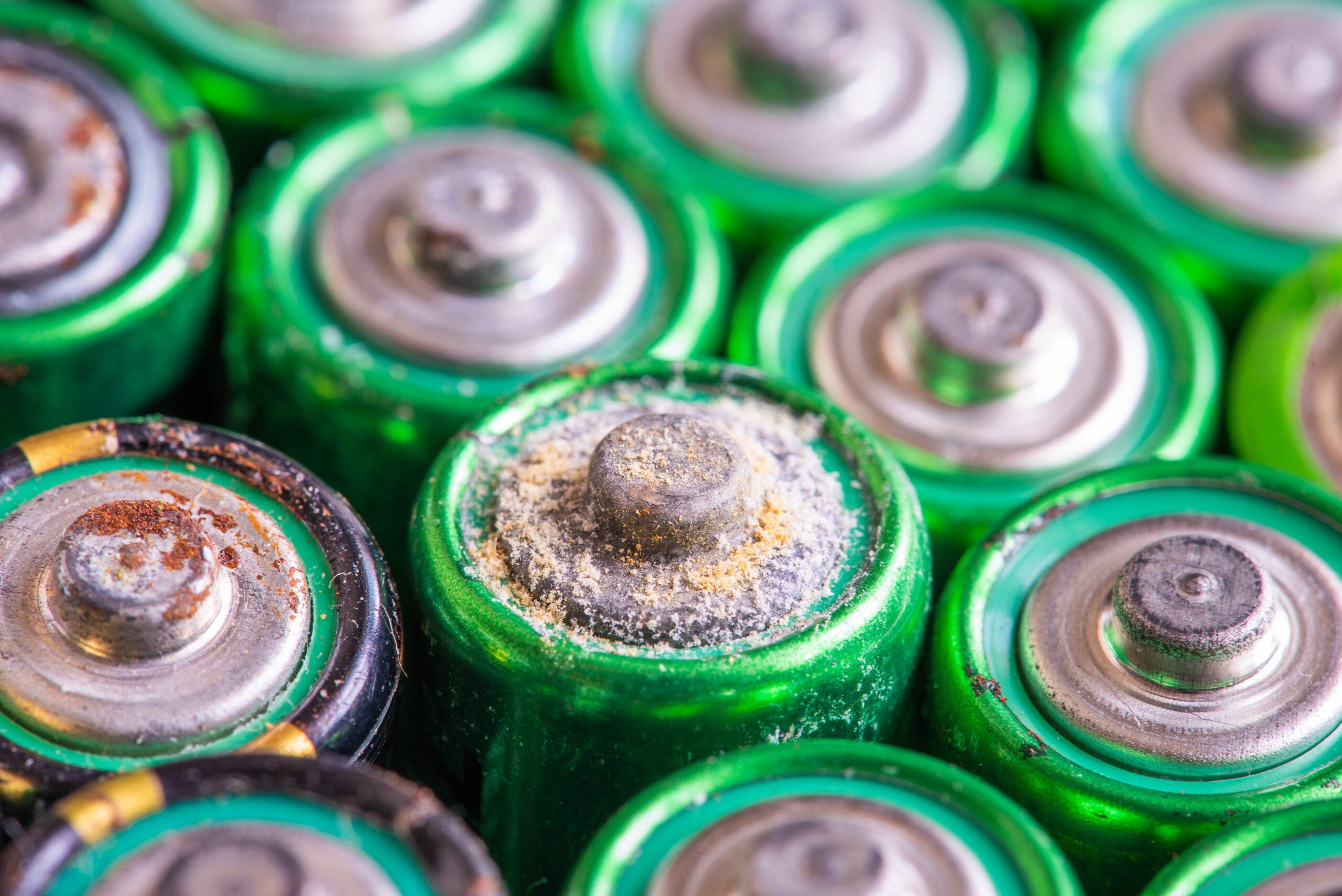
Battery corrosion is one of the most common signs that a battery is aging, leaking, damaged, or no longer performing the way it should. It often shows up as a white, blue, green, or crusty buildup around the battery terminals, contacts, or inside a device.
At first, corrosion may look like a small mess. But it can interfere with electrical connections, damage devices, reduce battery performance, and make batteries harder to handle safely. Whether the battery is inside a remote control, flashlight, vehicle, UPS system, meter, power tool, or piece of commercial equipment, corrosion should not be ignored.
In this guide, you will learn why batteries corrode, which batteries are most likely to show corrosion, what corrosion means, and how businesses can manage corroded batteries before recycling.
Quick Answer: Why Do Batteries Corrode?
Batteries corrode when chemicals inside or around the battery react with air, moisture, metal terminals, or other materials.
In simple terms:
“Corrosion” is the buildup caused by chemical reactions around the battery.
“Leaking” happens when internal battery materials escape from the battery casing.
“Terminal corrosion” forms around the metal contact points where electricity moves in and out of the battery.
Battery corrosion can happen because of age, overcharging, heat, moisture, poor storage, damaged casing, leaking electrolyte, or batteries being left inside devices for too long.
What Does Battery Corrosion Look Like?
Battery corrosion can look different depending on the battery type and materials involved.
On alkaline batteries, corrosion often appears as a white, powdery, crusty substance near the ends of the battery or inside the battery compartment. This usually happens when the battery leaks after sitting too long or being stored in poor conditions.
On lead-acid batteries, corrosion is often seen around the terminals. It may appear white, blue, or green and can build up where the battery cables connect. This is common in car batteries, UPS batteries, forklift batteries, and other lead-acid systems.
On rechargeable battery packs, corrosion may appear near terminals, connectors, wiring, or damaged casing. If corrosion is paired with swelling, heat, leaking, or cracking, the battery should be handled carefully.
Why Alkaline Batteries Corrode
Alkaline batteries can corrode when they age, discharge too deeply, or sit unused in a device for a long time. As the battery breaks down, pressure can build inside the casing. If the seal weakens, battery material can leak out and react with air and nearby metal contacts.
This is why old batteries are often found leaking inside flashlights, remotes, toys, clocks, and small electronics. Even if the device has not been used in months, the battery can continue to degrade.
Removing batteries from devices before long-term storage is one of the simplest ways to reduce corrosion damage.
Why Lead-Acid Battery Terminals Corrode
Lead-acid batteries can develop corrosion around the terminals because of chemical reactions involving acid vapors, gases, metal connections, and moisture.
Car batteries are a common example. Over time, corrosion may build around the positive or negative terminal, making it harder for the battery to deliver power. This can cause weak starts, poor electrical contact, or unreliable performance.
Lead-acid batteries used in UPS systems, telecom cabinets, forklifts, golf carts, backup power systems, and industrial equipment can also show corrosion, especially if they are older, stored poorly, overcharged, leaking, or exposed to harsh conditions.
Read our guide on what’s inside of a lead-acid battery to learn more about what lead-acid batteries are and why they require proper recycling.
Does Corrosion Mean a Battery Is Bad?
Not always, but corrosion is a warning sign.
A battery with light terminal corrosion may still work, but the buildup can interfere with electrical contact. A battery that is leaking, cracked, swollen, hot, or heavily corroded should be treated more carefully.
For businesses, corrosion is often a sign that batteries should be inspected, separated, and prepared for proper recycling. Leaving corroded batteries in equipment rooms, maintenance areas, IT closets, warehouses, or vehicles can lead to more damage over time.
Why Storage Conditions Matter
Poor storage can make battery corrosion worse. Heat, humidity, moisture, and long storage periods can all speed up battery aging. Batteries stored loose in boxes, drawers, tool kits, or mixed containers may also have exposed terminals touching metal objects or other batteries.
Used batteries should be stored in a cool, dry, controlled area. They should not be left outside, placed near water, exposed to high heat, or mixed with scrap metal and general waste.
For businesses, it helps to create a labeled battery collection area and separate batteries by type and condition. Corroded or leaking batteries should be kept apart from clean, intact batteries.
How to Handle Corroded Batteries
Corroded batteries should be handled with care. Avoid touching corrosion directly, especially if the battery is leaking or the material is unknown.
Do not crush, puncture, open, or force a corroded battery back into service. If a battery is inside a device and has leaked, the device may also need to be handled as battery-containing electronic waste.
For larger batteries, such as lead-acid batteries, keep them upright when possible and separate damaged or leaking units from normal batteries before recycling.
How Battery Recycling & Solutions Helps
Battery Recycling & Solutions helps businesses manage corroded batteries, leaking batteries, lead-acid batteries, alkaline batteries, lithium-ion batteries, UPS batteries, laptop batteries, power tool batteries, and mixed commercial battery loads.
For businesses with old batteries sitting in storage rooms, warehouses, maintenance departments, IT closets, vehicles, or equipment areas, Battery Recycling & Solutions provides a practical path for sorting, pickup, and proper recycling.
Frequently Asked Questions About Battery Corrosion
Is battery corrosion dangerous?
Battery corrosion can be irritating and may come from leaking battery materials. It should not be touched directly, and badly corroded or leaking batteries should be handled carefully.
Why do batteries leak when they get old?
As batteries age, internal pressure and chemical breakdown can weaken seals. When the seal fails, battery material can escape and cause corrosion.
Can corroded batteries be recycled?
Yes. Corroded batteries can often be recycled, but they should be separated from clean batteries and handled carefully before recycling.
Should I leave batteries in devices during storage?
No. If a device will not be used for a long time, it is better to remove the batteries to reduce the risk of leakage and corrosion.
Conclusion
Batteries corrode because chemicals inside or around the battery react with air, moisture, metal terminals, or nearby materials. Corrosion is common in old alkaline batteries, lead-acid batteries, and battery packs that have been exposed to heat, moisture, age, or poor storage conditions.
The best approach is simple: check batteries regularly, remove old batteries from unused devices, store batteries in a dry area, separate corroded or leaking batteries, and recycle them through the proper process.
Battery Recycling & Solutions helps businesses manage corroded batteries and mixed battery loads in a cleaner, safer, and more organized way.