
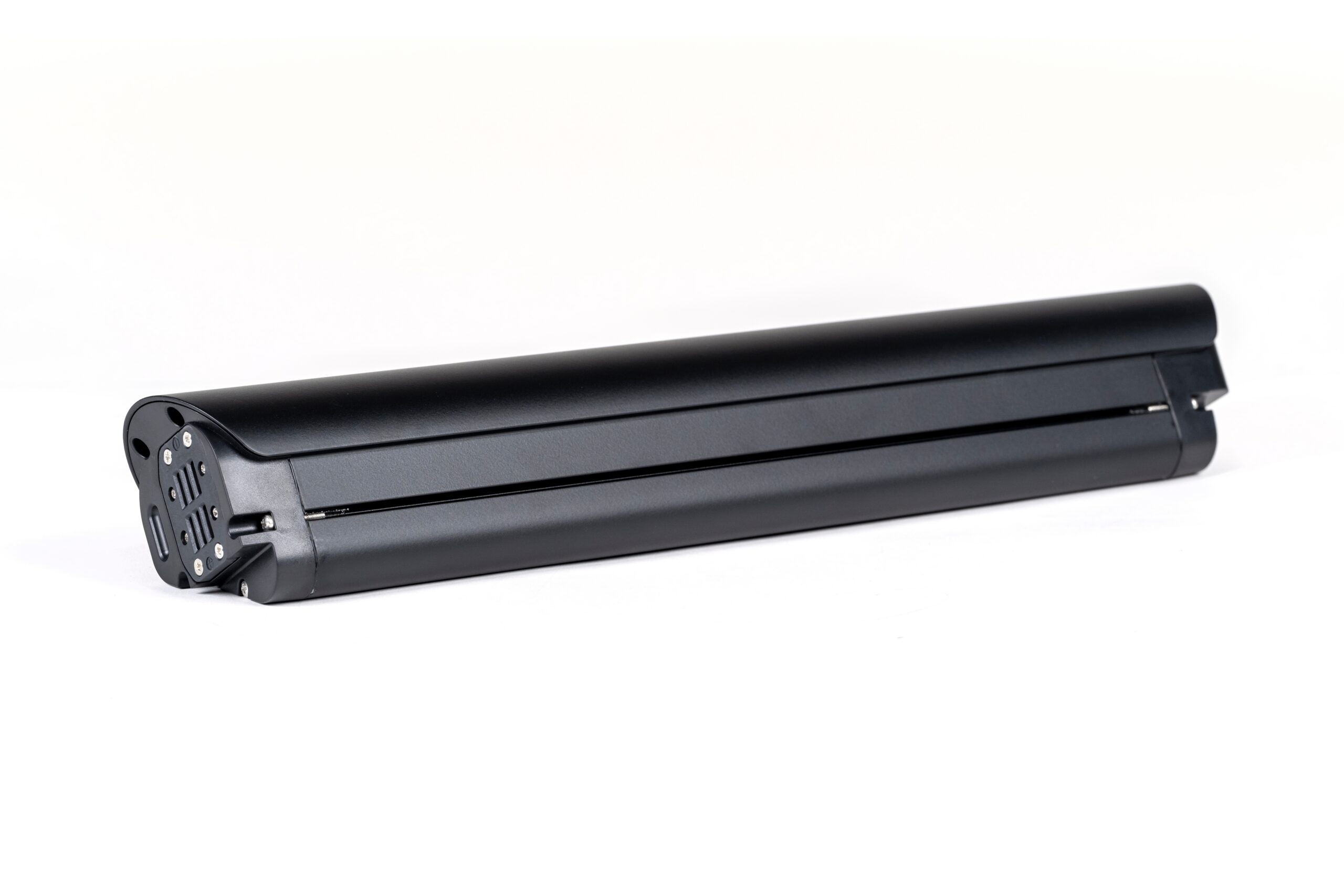
E-bike batteries are one of the most important parts of an electric bicycle. They give the bike its range, power the motor, and allow riders to travel farther with less effort. But when an e-bike battery reaches the end of its life, it should not be thrown in the trash, stored in a garage for years, or mixed with general scrap.
Most e-bike batteries are lithium-ion batteries. They are lightweight, rechargeable, and powerful enough to support regular riding, hill climbing, and daily transportation. That same energy storage is also why they need proper handling when they are damaged, worn out, or ready for recycling.
In this guide, you will learn what e-bike batteries are, what types are commonly used, why recycling matters, how to handle damaged batteries, and how businesses can manage e-bike battery recycling responsibly.
Quick Answer: Can E-Bike Batteries Be Recycled?
Yes, e-bike batteries can be recycled through the proper battery recycling process.
E-bike battery recycling usually includes:
- Collection
- Battery identification
- Inspection for damage
- Sorting by chemistry and condition
- Safe handling and preparation
- Material recovery through downstream recycling
Recycling is preferred over disposal because e-bike batteries can contain recoverable materials such as lithium, nickel, cobalt, manganese, copper, aluminum, steel, graphite, plastics, and electronic components.
What Type of Battery Is Used in an E-Bike?
Most modern e-bikes use lithium-ion batteries. These batteries are popular because they store a strong amount of energy in a compact and relatively lightweight pack.
You may see e-bike batteries labeled as:
- Lithium-ion
- Li-ion
- Lithium polymer
- NMC
- LFP
- LiFePO4
Some older or specialty electric bicycles may use different rechargeable battery types, but lithium-ion is the most common today.
E-bike batteries are usually built as battery packs. Inside the case, there are many smaller battery cells connected together, along with wiring, terminals, protective casing, and a battery management system. The battery management system helps control charging, discharging, temperature, and overall battery performance.
Why E-Bike Battery Recycling Matters
E-bike batteries should not be treated like ordinary waste. Even when a battery no longer powers the bike properly, it may still contain stored energy and valuable materials.
If an e-bike battery is thrown into regular trash, crushed, punctured, or handled carelessly, it can create safety concerns. Damaged lithium batteries may overheat, swell, smoke, or catch fire under the wrong conditions.
Recycling helps:
- Keep batteries out of regular trash
- Recover reusable battery materials
- Reduce improper disposal
- Separate damaged batteries from normal batteries
- Clear old batteries from shops, warehouses, and storage areas
- Support responsible end-of-life battery management
For bike shops, repair businesses, delivery fleets, universities, municipalities, rental programs, and commercial operators, e-bike batteries can build up quickly. A clear recycling process helps keep those batteries organized and moving in the right direction.
When Should an E-Bike Battery Be Recycled?
An e-bike battery should be recycled when it no longer holds a charge, has lost most of its range, fails to charge properly, is no longer compatible with the bike, or has been damaged.
A battery may also need recycling if the e-bike has been retired, the battery casing is cracked, the pack is swollen, or the battery was involved in a crash, fire, flood, or heavy impact.
Not every weak battery looks dangerous, but a battery that performs differently than normal should be reviewed carefully before being stored or reused.
Warning Signs of a Damaged E-Bike Battery
A damaged e-bike battery should be handled with extra caution.
Warning signs may include:
- Swelling or bulging
- Cracked casing
- Leaking
- Burn marks
- Corrosion
- Unusual heat
- Strange odor
- Hissing sounds
- Exposed wires
- A battery that will not charge normally
- A battery that shuts off unexpectedly
A damaged e-bike battery should not be charged, punctured, opened, crushed, or forced back onto a bike. It should be kept separate from normal batteries and stored carefully until it can be handled through the proper recycling process.
How to Store E-Bike Batteries Before Recycling
E-bike batteries should be stored in a cool, dry, controlled area. They should be kept away from heat, water, direct sunlight, flammable materials, and heavy equipment.
Do not toss e-bike batteries into random boxes with metal tools, wires, chargers, scrap parts, or other batteries. Battery terminals should be protected when needed to help prevent contact with conductive materials.
For businesses, it helps to create a labeled battery collection area. Damaged batteries should be separated from intact batteries, and battery labels should remain visible whenever possible. This makes sorting easier and reduces confusion when batteries are ready for pickup or recycling. Read our guide on how to properly store batteries for recycling for more information.
How the E-Bike Battery Recycling Process Works
E-bike battery recycling usually starts with identification. The battery chemistry, size, condition, and label information are reviewed before the battery is moved into the recycling stream.
After that, batteries are sorted by type and condition. Damaged batteries may require separate handling. Intact lithium-ion batteries may be prepared for downstream recycling based on their chemistry and format.
During processing, e-bike batteries may be dismantled or broken down so materials such as metals, plastics, wiring, casing, and battery components can be separated. Depending on the recycling method, lithium, nickel, cobalt, manganese, copper, aluminum, graphite, and other materials may be recovered or routed for further processing.
The exact process can vary, but the goal is the same: recover useful materials and keep end-of-life batteries out of the wrong waste stream.
How Battery Recycling & Solutions Helps
Battery Recycling & Solutions helps businesses manage e-bike battery recycling for commercial quantities and battery loads.
This can include e-bike batteries, scooter batteries, lithium-ion battery packs, damaged batteries, power tool batteries, laptop batteries, lithium primary batteries, and mixed battery loads.
For bike shops, delivery fleets, repair facilities, schools, municipalities, warehouses, and commercial locations with used e-bike batteries sitting in storage, Battery Recycling & Solutions provides a practical path for pickup, sorting, and proper recycling.
Frequently Asked Questions About E-Bike Battery Recycling
Can e-bike batteries be recycled?
Yes. E-bike batteries can be recycled through the proper lithium battery recycling process.
What type of battery is in most e-bikes?
Most modern e-bikes use lithium-ion battery packs.
Can e-bike batteries go in the trash?
No. E-bike batteries should not be thrown into regular trash or standard recycling bins.
What should I do with a swollen e-bike battery?
A swollen battery should be separated, kept away from heat and damage, and handled carefully. It should not be charged, punctured, crushed, or placed back on the bike.
Do bike shops need a recycling plan for e-bike batteries?
Yes. Bike shops and repair businesses that collect used or damaged e-bike batteries should have a clear storage and recycling process.
Conclusion
E-bike batteries are powerful, useful, and increasingly common, but they need the right end-of-life plan. Because most e-bike batteries are lithium-ion packs, they should be identified, stored safely, separated if damaged, and recycled through the proper process.
Recycling helps recover useful materials, reduce improper disposal, and keep old batteries from sitting unmanaged in shops, warehouses, garages, and repair areas.
Battery Recycling & Solutions helps businesses manage e-bike battery recycling in a cleaner, safer, and more organized way.