
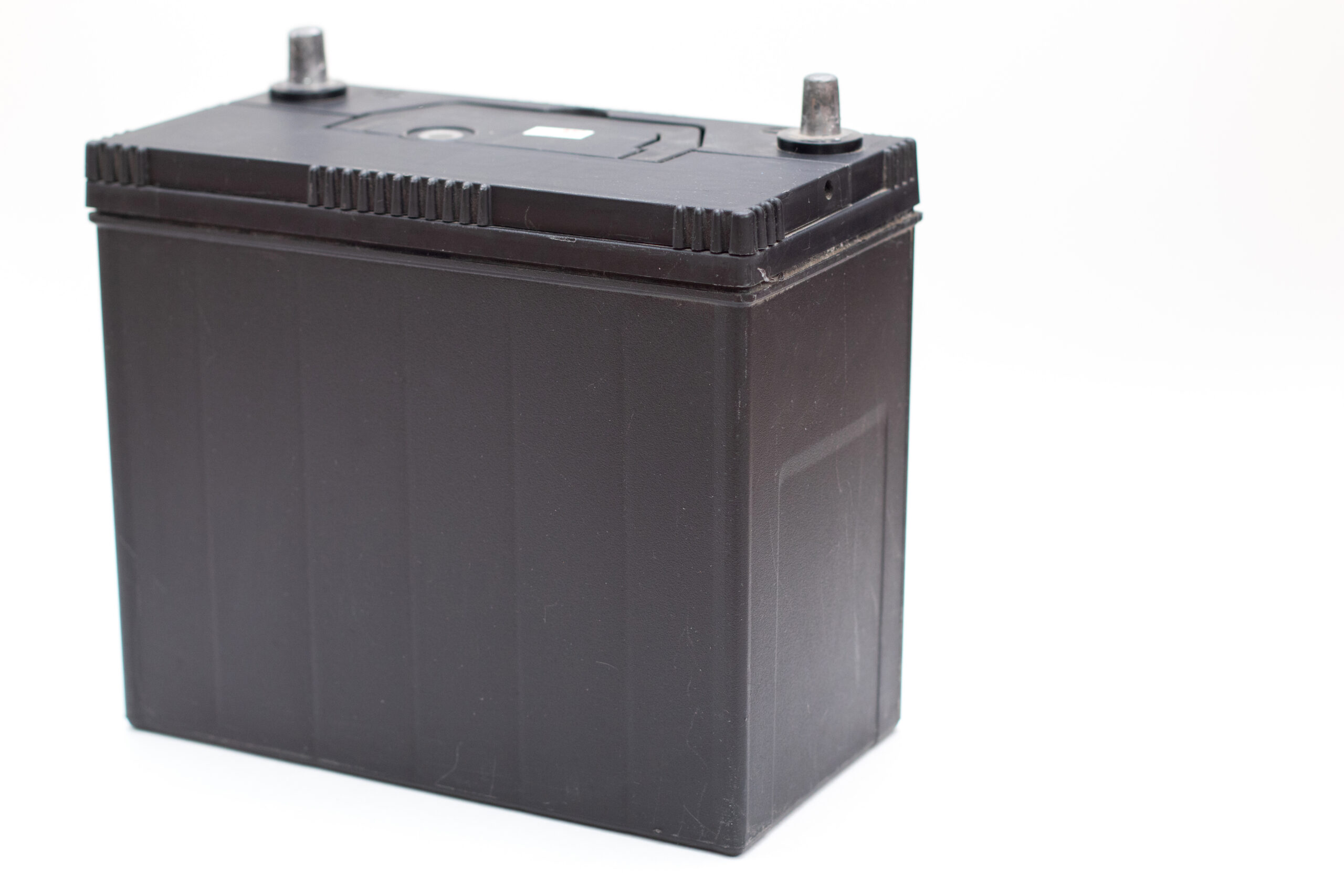
Car batteries are one of the most commonly recycled battery types, and for good reason. Most standard car batteries are lead-acid batteries, which contain recoverable materials like lead, plastic casing, and electrolyte. Because these materials can be processed and reused, old car batteries often have scrap value.
But car battery scrap prices are not fixed. They can change based on the market, battery type, weight, condition, volume, and location. A battery that has value one week may be worth a different amount the next. That is why businesses, auto shops, fleet managers, municipalities, and maintenance departments should understand what affects pricing before recycling used batteries.
If your business is dealing with old or bulk car batteries, Battery Recycling & Solutions can help arrange proper recycling, pickup, sorting, and material handling.
Why Do Car Batteries Have Scrap Value?
Most traditional car batteries are lead-acid batteries. Inside the battery are lead plates, sulfuric acid, plastic casing, terminals, and internal components. The lead content is the biggest reason these batteries often carry scrap value.
When a car battery is recycled, the materials are separated and routed into proper recovery channels. Lead can be processed for reuse, plastic can be handled through recycling streams, and other materials can be managed properly.
That familiar chemistry is one reason lead-acid batteries have such an established recycling process. They are common, heavy, and built with materials that still have value after the battery can no longer start a vehicle.
What Affects Car Battery Scrap Prices?
The biggest factor is usually the value of lead. Since lead is a traded commodity, scrap battery pricing can move up or down with the metal market. When lead prices rise, scrap battery prices may improve. When lead prices fall, the value of used car batteries can also decrease.
Battery weight also matters. Heavier batteries generally contain more material, which can affect price. A small motorcycle battery will not usually have the same scrap value as a large truck battery.
Condition can also play a role. Clean, intact batteries are easier to handle than cracked, leaking, burned, or damaged batteries. Damaged batteries may require extra precautions, separate handling, or different packaging.
Quantity is another major factor. A single car battery may be handled differently than a pallet of used auto batteries from a repair shop, fleet operation, dealership, or municipal garage. Larger loads can sometimes be more efficient to collect and process.
Location and transportation costs can also affect the final value. If batteries need to be picked up, packed, or moved from a difficult location, those logistics may influence pricing.
Scrap Price vs. Core Charge
Many people confuse scrap battery value with a core charge. They are related to old batteries, but they are not the same thing.
A core charge is usually tied to the purchase of a replacement battery. When you buy a new battery, the retailer may charge a refundable fee that is returned when the old battery is brought back. This encourages customers to return used batteries instead of throwing them away.
Scrap price is different. Scrap pricing is based on the recycling value of the used battery and may depend on weight, market conditions, volume, and buyer requirements.
For businesses managing batteries in bulk, scrap pricing is usually more relevant than a retail core return.
Common Batteries That May Have Scrap Value
Standard car batteries are the most common example, but other lead-acid batteries may also have scrap value. This can include truck batteries, marine batteries, motorcycle batteries, sealed lead-acid batteries, AGM batteries, Gel batteries, UPS batteries, forklift batteries, and equipment batteries.
Not all batteries are priced the same way. A lithium-ion battery, alkaline battery, NiCad battery, or small button cell will follow a different recycling process and should not be priced or handled like a lead-acid car battery.
How to Prepare Car Batteries for Recycling
Before recycling, batteries should be checked for damage. Look for cracks, leaking acid, corrosion, swollen casing, broken terminals, or signs that the battery has been crushed or dropped.
Car batteries should usually be stored upright in a dry, controlled area. They should not be thrown into dumpsters, mixed with loose scrap metal, left exposed to weather, or stacked carelessly where they may tip or leak.
For commercial quantities, batteries should be organized before pickup when possible. Keeping batteries together, upright, and separated from other waste makes the recycling process smoother.
Why Pricing Can Change Quickly
Car battery scrap prices can change because the value of recovered materials changes. Lead pricing, demand from recyclers, transportation costs, regional availability, battery condition, and load size can all affect what a battery is worth at a given time.
This is why exact pricing should always be confirmed before recycling. A general online estimate may not reflect the actual price available for your location, quantity, battery type, or pickup needs.
How Battery Recycling & Solutions Helps
Battery Recycling & Solutions helps businesses manage used car batteries and other lead-acid battery loads. This can include auto batteries, truck batteries, AGM batteries, Gel batteries, sealed lead-acid batteries, damaged batteries, and bulk commercial battery recycling.
For businesses with old batteries sitting in shops, garages, warehouses, maintenance areas, fleet yards, or storage rooms, Battery Recycling & Solutions provides a practical path for pickup, sorting, and proper recycling.
Final Thoughts
Car battery scrap prices depend on more than just the battery itself. Lead market conditions, battery weight, load size, condition, location, and transportation needs can all affect value.
The best approach is simple: identify the battery type, keep batteries stored safely, separate damaged units, avoid mixing them with trash or scrap, and request current pricing based on the actual load.
Car batteries may be old, dead, or no longer useful in a vehicle, but they still contain materials that should be recovered through the proper recycling process.
Follow Our Socials