
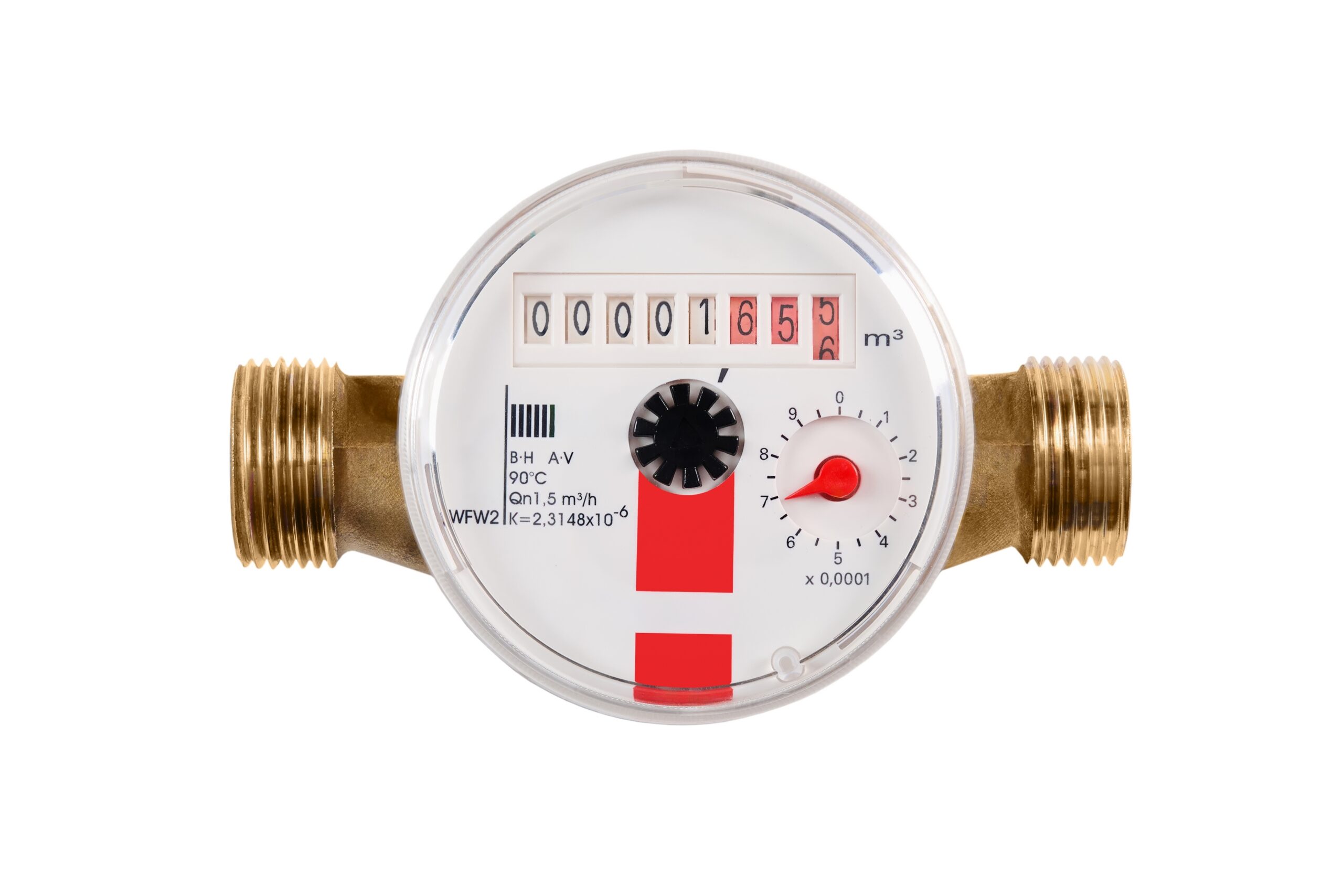
Industrial meters are used every day in facilities, plants, utilities, warehouses, laboratories, manufacturing sites, and commercial buildings. They help measure, monitor, and track important activity such as water flow, gas usage, electricity, pressure, temperature, chemical levels, and equipment performance.
When these meters are removed, upgraded, replaced, or no longer working, they should not be thrown into regular trash or left sitting in storage. Many industrial meters contain metals, plastics, wiring, circuit boards, screens, sensors, and in some cases batteries. That means they need to be handled properly at the end of their life.
In this guide, you will learn what industrial meters are, where they are used, what materials they may contain, why recycling matters, and how businesses can manage old meters more responsibly.
What Are Industrial Meters?
Industrial meters are devices used to measure and monitor systems in commercial, municipal, utility, and industrial environments. They are often built to handle demanding conditions and provide accurate readings over long periods of use.
Common industrial meters include:
Water meters
Gas meters
Electric meters
Flow meters
Pressure meters
Temperature meters
Smart meters
Utility meters
Chemical monitoring meters
Remote monitoring devices
Some meters are simple mechanical devices. Others are electronic and may include digital displays, communication modules, circuit boards, internal memory, sensors, and backup batteries.
That is why industrial meter recycling starts with identification. A brass-bodied water meter is not the same as a smart electric meter with circuit boards and a lithium battery inside.
Why Industrial Meters Should Be Recycled
Industrial meters often contain materials that can be recovered through the proper recycling process. Depending on the type of meter, this may include brass, copper, aluminum, steel, plastic, glass, wiring, circuit boards, and battery components.
Recycling helps keep these materials out of regular waste and gives them a better end-of-life path. It also helps businesses clear out old equipment that may otherwise sit in maintenance rooms, utility closets, storage cages, warehouses, public works yards, or mechanical rooms for years.
For many businesses and municipalities, meters are replaced in batches. A utility upgrade, facility renovation, system conversion, or equipment replacement project can quickly create pallets, boxes, or bins of old meters. Without a recycling plan, those meters can become clutter and may be mixed with unrelated scrap or waste.
What Materials Are Found in Industrial Meters?
Industrial meters can contain a wide range of materials depending on their purpose and design.
Older mechanical meters may have metal housings, gears, registers, glass covers, plastic parts, and fittings. Water meters often contain brass, copper, plastic, and mechanical measuring components. Electric meters may include glass, steel, aluminum, wiring, and internal electrical parts.
Smart meters and modern monitoring devices can be more complex. They may contain circuit boards, digital screens, communication modules, antennas, sensors, memory components, and small batteries. Some industrial meters may also use lithium batteries or other specialty batteries for backup power, remote communication, or long-term field operation.
Because of this mix of materials, industrial meters should not always be treated as simple scrap metal. Some may need to be handled more like electronic equipment or battery-containing devices.
Industrial Meters With Batteries
One of the most important things to look for during industrial meter recycling is whether the meter contains a battery.
Many modern meters and remote monitoring devices use batteries to maintain memory, send data, support wireless communication, or operate in areas without direct power. These batteries may be small, but they still need proper handling.
Lithium batteries are common in certain meters, sensors, and monitoring devices because they can provide long service life. Other meters may contain alkaline, NiMH, or specialty battery chemistries.
If the battery is removable, it should be separated when safe and practical. If the battery is built into the meter or difficult to access, the full meter may need to be handled as a battery-containing electronic device.
How to Prepare Industrial Meters for Recycling
Before recycling, businesses should separate meters by type when possible. Water meters, electric meters, gas meters, smart meters, and battery-containing meters should not all be mixed together if they can be sorted ahead of time.
Meters should be stored in a dry, controlled area where they will not be crushed, exposed to weather, or mixed with regular trash. If meters contain batteries, damaged electronics, cracked screens, corrosion, or leaking components, they should be kept separate from clean, intact meters.
It is also helpful to keep labels, model numbers, and markings visible. These details can help identify the meter type, materials, and whether batteries or electronics may be inside.
For large replacement projects, businesses should keep basic records of the meter types and quantities being removed. This makes recycling easier and helps avoid confusion when old equipment is collected in bulk.
How Battery Recycling & Solutions Helps
Battery Recycling & Solutions helps businesses and organizations manage industrial meter recycling when meters contain batteries, electronics, or mixed recyclable components. This can include smart meters, utility meters, water meters, gas meters, electric meters, remote monitoring devices, lithium battery-powered meters, and mixed meter loads from commercial or municipal projects.
For facilities, utilities, contractors, municipalities, and industrial sites with old meters sitting in storage, Battery Recycling & Solutions provides a practical path for sorting, pickup, and proper recycling.
Frequently Asked Questions About Industrial Meter Recycling
Can industrial meters be recycled?
Yes. Many industrial meters can be recycled, but the process depends on the meter type, material content, and whether batteries or electronics are inside.
Do industrial meters contain batteries?
Some do. Smart meters, remote monitoring meters, sensors, and utility devices may contain lithium batteries or other battery types.
Can meters go in regular trash?
Industrial meters should not be treated like ordinary trash, especially if they contain metals, circuit boards, batteries, or electronic components.
Should batteries be removed from meters before recycling?
If batteries can be removed safely and easily, they should be separated. If they are built into the device, the full meter may need to be handled as battery-containing equipment.
Final Thoughts
Industrial meters play an important role in measuring and monitoring critical systems, but they still need the right end-of-life plan. Whether they come from utilities, factories, warehouses, commercial buildings, municipal systems, or remote monitoring equipment, old meters should be identified, sorted, stored properly, and recycled through the right process.
Battery Recycling & Solutions helps businesses manage industrial meter recycling in a cleaner, more organized way, especially when meters contain batteries, electronics, or mixed materials that should not be thrown away casually.