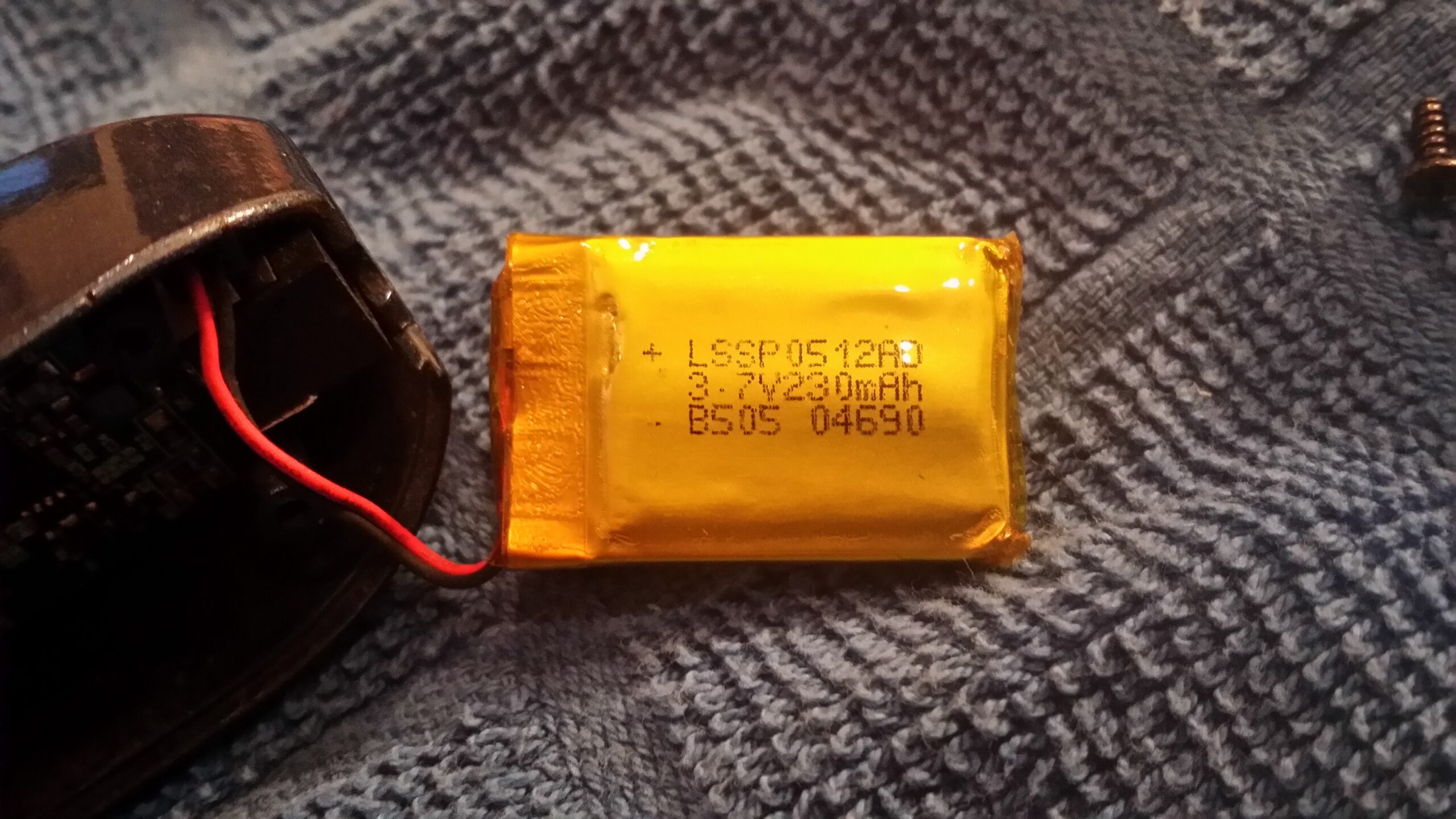
Lithium-ion batteries are used in everything from laptops and power tools to e-bikes, medical devices, energy storage systems, and electric vehicles. As more of these batteries reach the end of their life, many businesses want to know one thing: what are lithium-ion battery scrap prices worth?
The answer depends on several factors. Lithium-ion battery scrap does not have one fixed price. Its value changes based on battery chemistry, metal content, condition, volume, processing costs, transportation, and current commodity markets.
Why Lithium-Ion Battery Scrap Has Value
Lithium-ion batteries contain materials that may be recovered through proper recycling. Depending on the battery type, these materials can include lithium, cobalt, nickel, manganese, copper, aluminum, steel, and graphite.
In many recycling processes, batteries are sorted, discharged when needed, processed, and reduced into a material often called black mass. Black mass can contain valuable battery materials that may be further refined, although its exact makeup can vary depending on the batteries being processed and the recycling method used. (EPA, 2025)
Because these materials are tied to global battery and metals markets, lithium-ion battery scrap prices can move up or down quickly.
Battery Chemistry Plays a Major Role
One of the biggest factors in lithium-ion battery scrap pricing is chemistry. Not all lithium-ion batteries are made with the same materials.
For example, lithium cobalt oxide batteries, often found in smaller electronics, may contain more cobalt. NMC batteries may contain nickel, manganese, and cobalt. LFP batteries, or lithium iron phosphate batteries, do not contain cobalt or nickel in the same way, which can make their scrap value different.
This is why two loads of lithium-ion batteries can have very different values, even if they weigh the same. The chemistry determines what metals may be recovered and how attractive the material is to downstream processors.
Commodity Markets Affect Scrap Prices
Lithium-ion battery scrap pricing is closely connected to the value of battery metals. When lithium, cobalt, nickel, copper, and other material prices rise, certain battery scrap streams may become more valuable. When those markets fall, scrap pricing can weaken.
The International Energy Agency reported that lithium prices fell sharply after earlier price surges, while graphite, cobalt, and nickel prices also declined in 2024. These market swings are one reason battery scrap prices can change from month to month. (IEA, 2025)
For businesses, this means battery scrap should be viewed as a market-based material, not a guaranteed fixed-value item.
Condition and Sorting Matter
The condition of the batteries also affects pricing. Clean, sorted, properly packaged lithium-ion batteries are easier and safer to manage than mixed, damaged, swollen, burned, or contaminated batteries.
Damaged batteries may require special handling, safer packaging, and additional processing. That can reduce the net value of the load or increase service costs. Mixed battery loads may also need extra sorting before they can be recycled properly.
Businesses can often improve the recycling process by separating lithium-ion batteries from alkaline, lead-acid, Ni-Cd, NiMH, and other battery types before pickup.
Volume, Logistics, and Processing Costs
Lithium-ion battery scrap pricing is also affected by quantity and transportation. Larger, consistent volumes may be easier to price than small, irregular loads. Location, packaging, freight requirements, and safety handling can all impact the final value.
Processing costs also matter. Battery recycling requires safe handling, equipment, labor, regulatory compliance, and downstream refining. Even when batteries contain valuable materials, those costs are part of the final pricing calculation.
Final Thoughts
Lithium-ion battery scrap prices are determined by chemistry, metal content, market conditions, battery condition, sorting quality, volume, transportation, and processing costs. There is no single universal price that applies to every load.
For businesses with used lithium-ion batteries, working with Battery Recycling & Solutions can help make the process safer, more organized, and easier to understand. Proper battery recycling helps recover valuable materials, reduce fire risks, and keep lithium-ion batteries out of improper disposal streams.
Follow Our Socials