A sodium-ion battery is a rechargeable battery that uses sodium ions to store and release energy. It works in a similar general way to lithium-ion technology, but it relies on sodium instead of lithium as one of its core materials.
For businesses, sodium-ion batteries are important because they are becoming part of the larger conversation around energy storage, backup power, electric mobility, and commercial battery recycling. They may not be as common as lithium-ion batteries yet, but they are gaining attention because sodium is widely available and the chemistry may support certain cost, supply, and safety advantages.
When sodium-ion batteries reach the end of their useful life, they still need proper handling. Sodium-ion battery recycling helps businesses keep these batteries out of regular trash, manage them responsibly, and route materials through the right recycling process. Battery Recycling & Solutions helps businesses sort, collect, and recycle batteries in commercial quantities through an approved recycling process.
What Does Sodium-Ion Battery Mean?
A sodium-ion battery is a rechargeable battery that uses sodium ions to move energy inside the battery.
In simple terms:
- “Sodium” refers to the core ion used in the battery chemistry
- “Ion” refers to the charged particles that move during charging and discharging
- “Battery” refers to the energy storage device that powers equipment or systems
Sodium-ion batteries are part of the growing group of rechargeable batteries used for modern energy storage. They are often compared to lithium-ion batteries because both use ion movement to store and release power.
Why Sodium-Ion Batteries Are Also Called Na-Ion Batteries
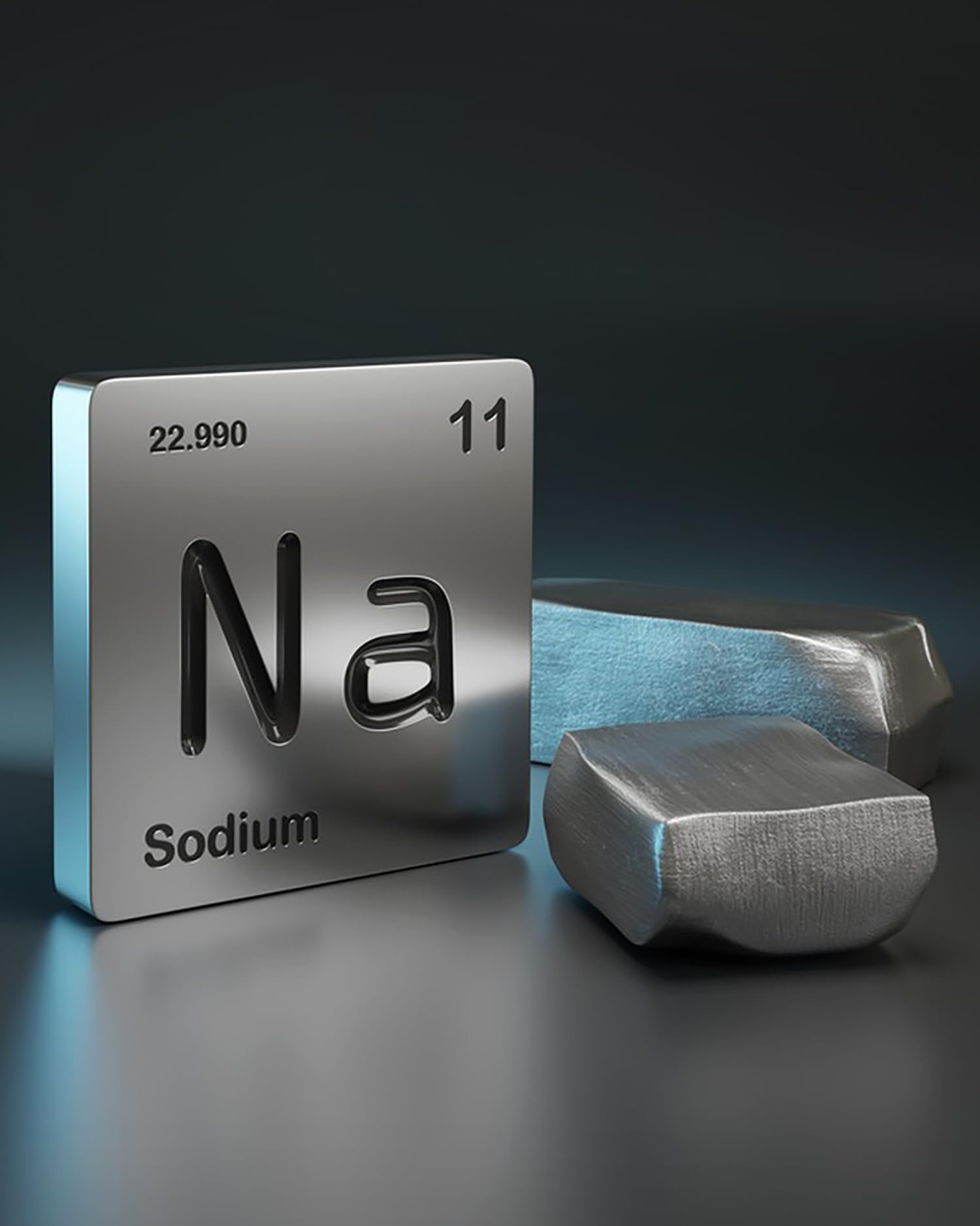
Sodium-ion batteries are sometimes called Na-ion batteries. “Na” is the chemical symbol for sodium.
These terms usually mean the same thing:
- Sodium-ion battery
- Na-ion battery
- Sodium battery
- Rechargeable sodium-ion battery
For businesses, the exact label matters because proper identification is the first step in responsible battery recycling.
How Sodium-Ion Batteries Differ From Lithium-Ion Batteries
A lithium-ion battery uses lithium ions to store and release energy. A sodium-ion battery uses sodium ions instead.
A lithium-ion battery:
- Is widely used in laptops, phones, tools, EVs, and energy storage
- Often offers high energy density
- Is already common in commercial recycling streams
A sodium-ion battery:
- Uses sodium-based chemistry
- May be used in energy storage, mobility, and backup power applications
- Is still an emerging battery type in many markets
- Still requires proper end-of-life handling
The basic concept is similar, but the materials and performance profile are different.
How Does a Sodium-Ion Battery Work?
The basic chemistry
A sodium-ion battery stores energy by moving sodium ions between two internal battery materials. These materials are usually called the anode and the cathode.
When the battery charges, sodium ions move in one direction. When the battery discharges, they move back and release usable energy.
The main internal process
Inside the battery, sodium ions travel through an electrolyte. The electrolyte allows ion movement while other parts of the battery help control the flow of electrical current.
Like other rechargeable batteries, sodium-ion batteries are built with layers, separators, current collectors, casing, and safety-related components.
Why the design matters
The design matters because it affects performance, lifespan, safety, cost, and recycling. A sodium-ion battery may be useful in applications where durability, material availability, and energy storage cost are important.
But even if the chemistry is different from lithium-ion, the battery should still be treated as a specialized energy storage product at end of life.
Main Types of Sodium-Ion Batteries
Small-format sodium-ion cells
Some sodium-ion batteries may be made as smaller cells for devices, research, specialty equipment, or lower-power systems.
These batteries may look similar to other rechargeable cells, which makes proper labeling and sorting important.
Sodium-ion battery packs
Larger sodium-ion battery packs may be used in energy storage systems, backup power, light electric mobility, or commercial equipment.
These packs can include multiple cells, wiring, protective casing, and battery management components. For recycling, that means they should be handled as complete battery systems, not simple scrap.
Sodium-ion vs lithium-ion battery packs
Sodium-ion and lithium-ion packs may look similar from the outside, but they are not the same chemistry.
Both:
- Store energy using ion movement
- May be rechargeable
- Can be built into packs or modules
- Require proper battery recycling
Sodium-ion batteries use sodium-based chemistry, while lithium-ion batteries use lithium-based chemistry. That difference matters for sorting, recycling, and proper disposal.
What Are Sodium-Ion Batteries Used For?
Energy storage systems
Sodium-ion batteries may be used in stationary energy storage systems where size and weight are less important than cost, availability, and durability.
This can include backup power, renewable energy storage, and commercial energy systems.
Industrial and commercial applications
Businesses may encounter sodium-ion batteries in equipment, pilot projects, backup systems, or newer energy storage installations.
As the technology becomes more available, facility teams and operations managers may need to identify and manage these batteries during replacements or upgrades.
Electric mobility and transportation
Sodium-ion batteries may also be used in certain electric mobility applications. They are not always chosen for maximum range, but they may make sense where cost, availability, or specific performance needs matter.
Advantages of Sodium-Ion Batteries
Material availability
Sodium is widely available compared to some battery materials. This is one reason sodium-ion technology is getting attention for future energy storage.
Rechargeable design
Sodium-ion batteries are rechargeable, which makes them useful in applications where repeated use is required.
Potential for lower-cost energy storage
Because sodium-based chemistry may reduce reliance on certain expensive or supply-constrained materials, sodium-ion batteries may become attractive for some commercial storage needs.
Practical for certain stationary applications
Sodium-ion batteries may be useful in systems where compact size is not the top priority. Stationary backup power and energy storage can be a good fit for battery types that are durable and cost-conscious.
Limitations of Sodium-Ion Batteries
Not as common as lithium-ion batteries
Sodium-ion batteries are still less common than lithium-ion batteries in many commercial settings. That can make identification and recycling planning more important.
Lower energy density in some uses
Sodium-ion batteries may not always store as much energy in the same amount of space as certain lithium-ion batteries. That can limit their use in applications where size and weight matter most.
Recycling streams are still developing
Because sodium-ion batteries are newer in many markets, recycling processes and collection streams may not be as familiar as lead-acid or lithium-ion battery recycling.
That does not mean they should be thrown away. It means businesses should work with a provider that can help identify the battery type and route it properly.
Is a Sodium-Ion Battery the Same as a Lithium-Ion Battery?
No, they are not the same thing.
Both are rechargeable batteries that move ions during charging and discharging, but they use different core chemistries. Lithium-ion batteries use lithium ions. Sodium-ion batteries use sodium ions.
For businesses, that difference matters because batteries should be identified and sorted correctly before recycling or disposal.
Why Sodium-Ion Batteries Should Be Recycled
Sodium-ion batteries should be recycled because they contain materials, cells, casings, wiring, and components that should not be treated like ordinary waste.
Proper sodium-ion battery recycling helps businesses:
- Keep batteries out of regular trash
- Reduce improper disposal
- Manage bulk battery loads
- Support responsible battery recycling
- Keep storage areas organized
- Move materials into proper recycling channels
As sodium-ion batteries become more common, having a clear recycling process will become even more important for businesses and facilities.
How Businesses Should Handle Sodium-Ion Batteries at End of Life
Start by identifying the battery type. Look for labels such as sodium-ion, Na-ion, sodium battery, or manufacturer markings.
Separate sodium-ion batteries from regular trash and mixed scrap. Check for damage, swelling, cracks, leaking, exposed terminals, heat, or corrosion. Damaged batteries should be kept separate and handled carefully.
Store batteries in a controlled area where they will not be crushed, punctured, overheated, or mixed with loose metal. For commercial quantities, arrange pickup or recycling with an experienced battery recycling provider.
How Battery Recycling & Solutions Helps With Sodium-Ion Battery Recycling
Battery Recycling & Solutions helps businesses manage sodium-ion battery recycling with sorting, pickup, and responsible recycling support.
The company can help with commercial quantities, bulk battery loads, mixed battery types, and batteries removed during equipment upgrades, cleanouts, or replacement projects.
For organizations unsure how to handle newer battery chemistries, Battery Recycling & Solutions provides a practical path for proper disposal and approved recycling.
Frequently Asked Questions About Sodium-Ion Batteries
What is a sodium-ion battery?
A sodium-ion battery is a rechargeable battery that uses sodium ions to store and release energy.
What are sodium-ion batteries used for?
They may be used in energy storage systems, backup power, commercial equipment, electric mobility, and newer battery applications.
How does a sodium-ion battery work?
It works by moving sodium ions between internal battery materials during charging and discharging.
Is a sodium-ion battery the same as a lithium-ion battery?
No. Sodium-ion batteries use sodium ions, while lithium-ion batteries use lithium ions.
Can sodium-ion batteries be recycled?
Yes. Sodium-ion batteries should be handled through proper battery recycling channels.
How should businesses dispose of sodium-ion batteries?
Businesses should identify the battery type, separate it from regular waste, check for damage, store it properly, and arrange recycling with an experienced provider.
Does Battery Recycling & Solutions recycle sodium-ion batteries?
Yes. Battery Recycling & Solutions helps businesses with sodium-ion battery recycling, bulk pickup, sorting, and responsible battery recycling services.
Conclusion
Sodium-ion batteries are rechargeable batteries that use sodium-based chemistry to store and release energy. They may become more common in energy storage, backup power, commercial systems, and electric mobility applications.
Even though they are different from lithium-ion batteries, they still need proper end-of-life handling. Responsible recycling helps businesses reduce clutter, manage batteries properly, avoid improper disposal, and route materials through the right process.
Battery Recycling & Solutions helps businesses with sodium-ion battery recycling, pickup, sorting, proper disposal, and bulk battery management.