
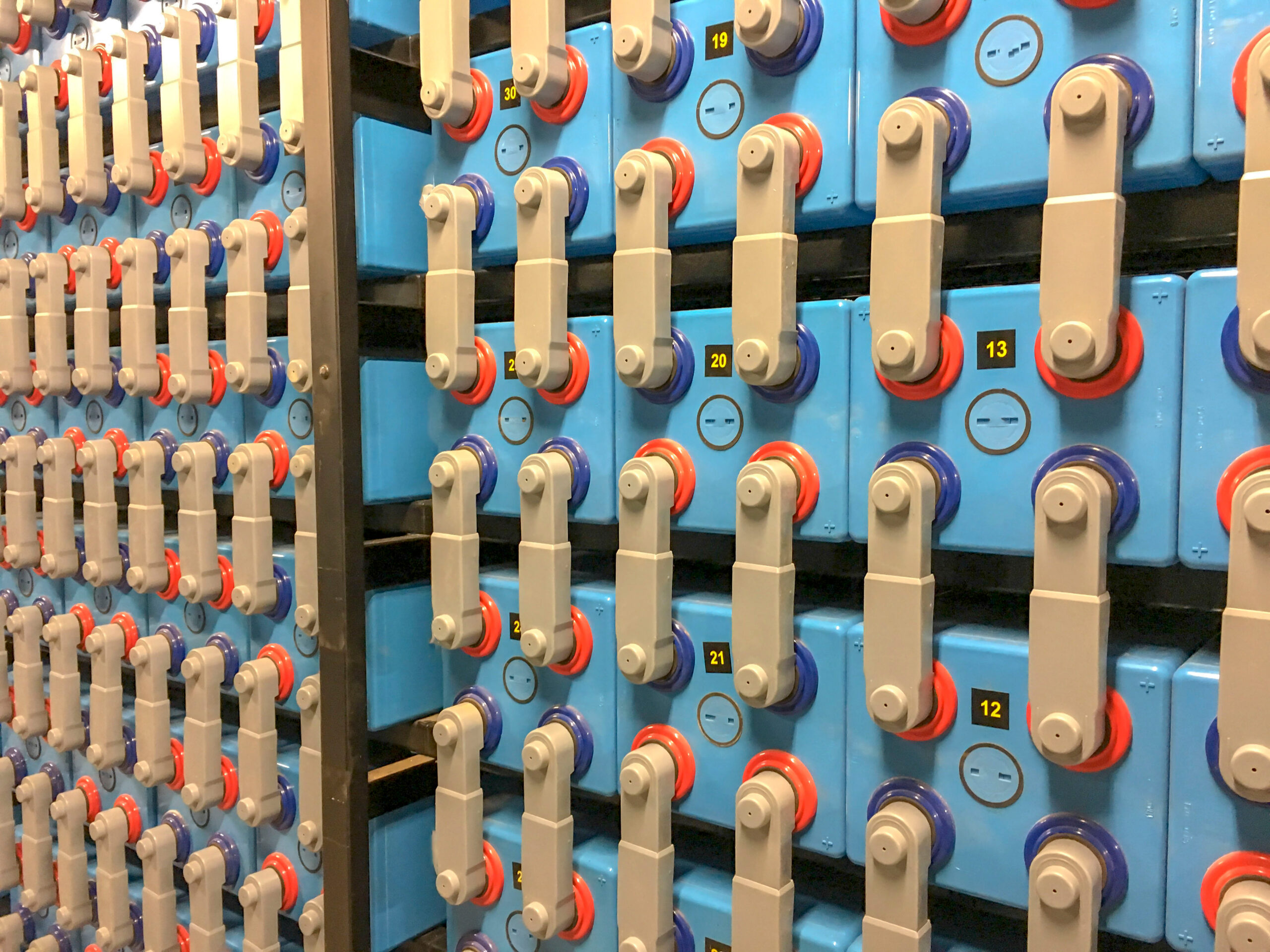
VRLA batteries are commonly used in industrial backup power, telecommunications, utility systems, UPS rooms, renewable energy setups, railroad applications, and other critical power environments. They are built for reliability, long service life, and steady standby performance.
When these batteries reach the end of their useful life, they should not be thrown away, left in storage, or handled like ordinary scrap. VRLA batteries are large-format lead-acid batteries, which means they contain recoverable materials that should be routed through the proper battery recycling process.
In this guide, you will learn what VRLA batteries are, where they are used, how they differ from standard batteries, why recycling matters, and how businesses can manage them safely at end of life.
What Is an VRLA Battery?
An VRLA battery is a large-format industrial battery commonly associated with VRLA and AGM battery technology.
VRLA stands for Valve Regulated Lead Acid. AGM stands for Absorbed Glass Mat. In simple terms, this means the battery uses lead-acid chemistry, but the electrolyte is absorbed into fiberglass mat separators instead of moving freely as liquid inside the battery.
That design makes VRLA batteries different from traditional flooded lead-acid batteries. They are sealed under normal conditions, lower maintenance, and designed for stationary power applications where reliability is important.
You may see VRLA batteries used as individual 2-volt cells, battery strings, or larger systems installed on racks or trays.
Why VRLA Batteries Are Used
VRLA batteries are often used in places where backup power matters. These are not small consumer batteries. They are industrial batteries designed to support equipment that cannot afford unexpected power loss.
Common applications include telecom systems, data centers, UPS backup systems, electric utility equipment, railroad signal systems, renewable energy storage, control systems, and critical facility power.
Their design makes them useful for standby float service, high-rate discharge, and certain deep-cycle applications. In plain terms, they are built to sit ready, deliver power when needed, and support important systems during outages or interruptions.
How VRLA Batteries Differ From Standard Lead-Acid Batteries
Traditional flooded lead-acid batteries contain liquid electrolyte that can move freely inside the battery. They may require water maintenance and usually need to stay upright to help prevent spills.
VRLA batteries are different because they use a sealed VRLA AGM design. The electrolyte is held in place inside absorbent glass mats. This helps reduce maintenance and makes the battery more practical for indoor, rack-mounted, and industrial backup power environments.
Even though the design is sealed, VRLA batteries are still lead-acid batteries. That means they contain lead, acid, plastic casing, terminals, and internal components that should be properly recycled when the battery is removed from service.
Why VRLA Battery Recycling Matters
VRLA batteries can be heavy, large, and material-rich. When they are no longer useful, they may still contain recoverable lead, plastic, and other components.
Recycling helps keep these materials out of regular waste and moves them into a proper recovery stream. It also helps businesses clear old batteries from battery rooms, equipment spaces, telecom sites, utility buildings, warehouses, and backup power areas.
Without a recycling plan, old industrial batteries can sit in storage for years. Over time, they may become harder to identify, more difficult to move, or mixed with other battery types and equipment scrap.
Businesses with scrap VRLA batteries can work with Battery Recycling & Solutions’ VRLA battery recycling services to responsibly recycle old VRLA batteries.
How to Prepare Absolyte Batteries for Recycling
The first step is to identify the battery type and condition. Look for labels, model numbers, date codes, battery system records, or equipment documentation. This helps confirm that the batteries are VRLA AGM lead-acid batteries and not another chemistry.
Next, inspect the batteries for damage. Watch for cracks, leaking, corrosion, swelling, broken terminals, damaged casing, heat marks, or signs that the battery has been dropped, crushed, or mishandled.
VRLA batteries should be stored in a dry, controlled area before recycling. They should not be left outside, exposed to weather, tipped over, stacked carelessly, or placed where forklifts or other equipment can strike them.
Because these batteries are heavy, handling should be planned carefully. Battery strings, racks, and large cells may require proper lifting equipment, staging, and pickup coordination.
What Happens During VRLA Battery Recycling?
VRLA battery recycling usually begins with collection, inspection, and sorting. Batteries are identified by type, size, chemistry, and condition before they move into the proper recycling process.
Since VRLA batteries are lead-acid based, the recycling process focuses on recovering major materials such as lead, plastic, and other components. The exact process depends on the battery condition, configuration, and downstream recycling method.
The goal is simple: remove old batteries safely, prevent improper disposal, and recover reusable materials through the right recycling channel.
How Battery Recycling & Solutions Helps
Battery Recycling & Solutions helps businesses manage VRLA battery recycling and other industrial lead-acid battery recycling needs.
This can include VRLA batteries, VRLA batteries, AGM batteries, sealed lead-acid batteries, UPS batteries, telecom batteries, utility batteries, backup power batteries, and mixed commercial battery loads.
For businesses with old batteries in power rooms, telecom sites, utility spaces, warehouses, server rooms, or industrial facilities, Battery Recycling & Solutions provides a practical path for pickup, sorting, and proper recycling.
Frequently Asked Questions About VRLA Battery Recycling
Can VRLA batteries be recycled?
Yes. VRLA batteries are lead-acid based batteries and can be recycled through the proper battery recycling process.
Are VRLA batteries the same as regular car batteries?
No. They use lead-acid chemistry, but they are large-format industrial VRLA AGM batteries designed for standby and critical power applications.
Where are VRLA batteries commonly used?
They are commonly used in telecom systems, UPS systems, utilities, data centers, railroad applications, renewable energy systems, and industrial backup power.
Can VRLA batteries go in the trash?
No. VRLA batteries should not be thrown into regular trash or treated like ordinary waste. They should be handled through proper battery recycling.
What should businesses do with damaged VRLA batteries?
Damaged batteries should be kept separate, stored carefully, and reviewed before moving or recycling. Batteries with cracks, leaks, corrosion, or broken terminals may require extra handling.
Final Thoughts
VRLA batteries are built for serious power applications. They support telecom, utility, UPS, renewable energy, and industrial systems where dependable backup power matters.
At the end of their life, they still contain materials that should be recovered through proper recycling. The best approach is to identify the batteries, check their condition, store them safely, separate damaged units, and arrange recycling through the correct process.
Battery Recycling & Solutions helps businesses manage VRLA battery recycling in a cleaner, more organized, and responsible way.