
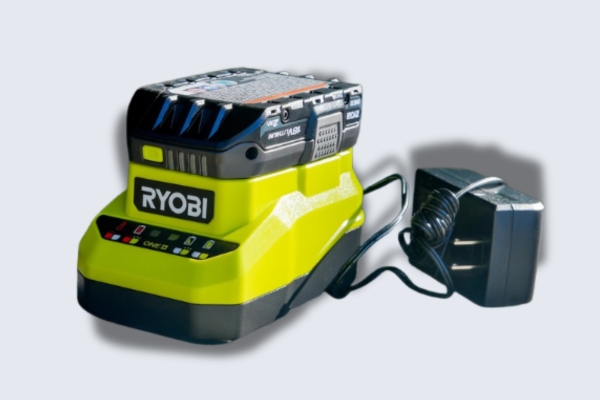
A NiMH battery stands for nickel-metal hydride. It is a rechargeable battery commonly used in electronics, power tools, emergency lighting, medical devices, cordless phones, cameras, toys, and many commercial battery packs.
NiMH batteries became popular because they offer reliable rechargeable power without some of the older performance issues associated with nickel-cadmium batteries. They are not as common in newer laptops, phones, or high-performance energy storage systems as lithium-ion batteries, but they are still widely used in business, industrial, institutional, and consumer applications.
In this guide, you will learn what NiMH batteries are, how they work, where they are used, their advantages and limitations, and what businesses should do with them at the end of their life. If your business or organization is dealing with used, damaged, outdated, or bulk NiMH batteries, Battery Recycling & Solutions can help with battery recycling, pickup coordination, sorting, and proper disposal for commercial quantities.
What Does NiMH Battery Mean?
NiMH stands for Nickel-Metal Hydride
NiMH is short for nickel-metal hydride.
In simple terms:
- “Nickel” refers to the nickel-based material used in the positive electrode
- “Metal hydride” refers to the hydrogen-absorbing alloy used in the negative electrode
- “Rechargeable” means the battery can be charged, used, and charged again many times
That chemistry is what separates NiMH batteries from alkaline, lithium-ion, lead acid, and nickel-cadmium batteries.
NiMH batteries are usually found in rechargeable formats. Many people recognize them as rechargeable AA or AAA batteries, but they are also used in larger battery packs and specialty equipment.
Why NiMH batteries replaced many NiCad batteries
Before NiMH batteries became common, many rechargeable devices used nickel-cadmium batteries, often called NiCad or Ni-Cd batteries.
NiCad batteries were durable and rechargeable, but they had drawbacks. They contained cadmium, had lower energy density than many newer options, and were known for memory effect issues when not charged and discharged properly.
NiMH batteries became a popular replacement because they offered:
- Higher capacity in many applications
- Rechargeable performance
- Less memory effect than NiCad batteries
- No cadmium-based chemistry
- Practical use in many consumer and commercial devices
For businesses, this matters because older equipment may contain NiCad batteries, while newer or replacement packs may use NiMH chemistry.
How NiMH differs from lithium-ion batteries
NiMH and lithium-ion batteries are both rechargeable, but they are not the same.
A NiMH battery:
- Uses nickel-metal hydride chemistry
- Is common in rechargeable AA, AAA, and specialty packs
- Is often used in lower-voltage devices and older equipment
- Can be more tolerant in some everyday uses
A lithium-ion battery:
- Uses lithium-based chemistry
- Is common in laptops, phones, tablets, tools, and energy storage systems
- Usually offers higher energy density
- Requires different handling and recycling considerations
Both battery types should be recycled, but they should be identified and sorted properly.
How Does a NiMH Battery Work?
The basic battery chemistry
At its core, a NiMH battery stores and releases energy through chemical reactions between nickel-based materials and a hydrogen-absorbing metal alloy.
Inside the battery:
- The positive electrode uses nickel oxyhydroxide
- The negative electrode uses a metal hydride alloy
- The electrolyte helps ions move inside the cell
- The separator keeps internal materials from touching directly
When the battery is used, the chemical reaction produces electrical energy. When the battery is recharged, the reaction is reversed, allowing the battery to store energy again.
Charging and discharging
NiMH batteries are designed to charge and discharge repeatedly. This makes them useful in devices that are used often but do not need disposable batteries replaced every time they run out of power.
A rechargeable NiMH battery can power a device, be recharged, and go back into service. That is why they are common in equipment where routine battery replacement would be inconvenient or wasteful.
Why the design matters
The design of NiMH batteries makes them practical for many everyday and commercial applications. They are rechargeable, available in common sizes, and used in a wide range of devices.
But like all rechargeable batteries, they do not last forever. Over time, capacity drops, runtime decreases, and the battery eventually needs to be replaced and recycled.
Main Types of NiMH Batteries
Consumer rechargeable NiMH batteries
The most familiar NiMH batteries are rechargeable AA and AAA batteries. These are commonly used in office devices, cameras, remote controls, flashlights, wireless accessories, and small electronics.
They are popular because they can replace single-use batteries in many devices.
NiMH battery packs
NiMH batteries are also built into battery packs. These packs may contain multiple cells connected together to provide the voltage and runtime needed for a specific device.
NiMH battery packs may be found in:
- Medical equipment
- Emergency lighting
- Two-way radios
- Cordless phones
- Power tools
- Testing equipment
- Older portable electronics
- Industrial devices
For recycling, battery packs may need to be sorted differently than loose consumer cells.
High-drain and low-self-discharge NiMH batteries
Some NiMH batteries are designed for higher-drain devices that need more power. Others are low-self-discharge batteries, which are built to hold a charge longer while sitting unused.
Both are still NiMH batteries, but their performance is tuned for different uses.
What Are NiMH Batteries Used For?
Office and commercial electronics
NiMH batteries are often used in devices that require rechargeable power but do not need lithium-ion performance. This can include wireless accessories, handheld equipment, radios, small electronics, and office devices.
Medical and emergency equipment
Some medical devices, emergency lighting systems, backup devices, and specialty tools may use NiMH battery packs. These applications often require dependable rechargeable power.
Industrial and institutional equipment
Schools, municipalities, warehouses, repair shops, and facilities may find NiMH batteries in older equipment, tools, testing devices, and stored electronics.
During cleanouts, these batteries are often mixed with other battery types, which makes proper sorting important.
Hybrid vehicle battery packs
Some hybrid vehicles have used NiMH battery packs. These are much larger and more complex than common rechargeable household batteries.
They require proper handling, sorting, and battery recycling when removed from service.
Advantages of NiMH Batteries
Rechargeable operation
One of the biggest advantages of NiMH batteries is that they are rechargeable. This makes them more practical than single-use batteries in devices that are used often.
For businesses, rechargeable batteries can reduce the need to constantly buy and replace disposable batteries.
Common sizes and easy availability
NiMH batteries are available in familiar sizes like AA and AAA, as well as custom battery packs. That makes them easy to use in many devices without special equipment changes.
Better capacity than many older rechargeable batteries
NiMH batteries generally offer better capacity than older NiCad batteries in many applications. That means they can often provide longer runtime in the same physical size.
No cadmium-based chemistry
NiMH batteries do not use cadmium the way NiCad batteries do. That is one reason they became a common replacement for many nickel-cadmium applications.
Even so, NiMH batteries still contain materials that should be recycled properly.
Limitations of NiMH Batteries
Lower energy density than lithium-ion batteries
NiMH batteries are useful, but they usually do not store as much energy for their size and weight as lithium-ion batteries. That is one reason lithium-ion became common in laptops, smartphones, tablets, and other modern portable electronics.
Charging requirements still matter
NiMH batteries need proper charging. Using the wrong charger, overcharging, or leaving batteries in poor storage conditions can reduce battery life.
Capacity decreases over time
Like all rechargeable batteries, NiMH batteries wear out. They may hold less charge, run devices for less time, or stop charging properly.
When that happens, the battery should be recycled instead of thrown away.
Mixed battery loads can be confusing
NiMH batteries are often found alongside alkaline, lithium-ion, NiCad, lead acid, and other batteries. For businesses with bulk quantities, sorting is important before recycling.
Are NiMH Batteries the Same as NiCad Batteries?
No, they are not the same thing.
NiMH and NiCad batteries are both rechargeable nickel-based batteries, but they use different chemistries.
NiCad batteries use nickel-cadmium chemistry. NiMH batteries use nickel-metal hydride chemistry.
NiMH batteries generally became popular because they offered higher capacity and avoided cadmium-based chemistry. However, both types should be recycled through proper battery recycling channels.
Why NiMH Batteries Should Be Recycled
NiMH batteries contain metals and battery materials that should not be thrown into regular trash or left unmanaged in storage rooms.
Proper battery recycling helps businesses:
- Keep used batteries out of regular waste
- Sort NiMH batteries from other chemistries
- Manage bulk battery loads
- Reduce improper disposal
- Clear out old equipment and storage areas
- Route recoverable materials into proper recycling channels
For businesses, schools, municipalities, manufacturers, and facilities, recycling is the practical next step when NiMH batteries are no longer usable.
How Businesses Should Handle NiMH Batteries at End of Life
Start by identifying the battery type. Look for labels such as NiMH, nickel-metal hydride, rechargeable nickel-metal hydride, or battery pack markings.
Keep NiMH batteries separate from regular trash and mixed scrap. Check for leaks, corrosion, swelling, cracked casing, heat, or physical damage. Damaged batteries should be kept separate and handled carefully.
Store used batteries in a controlled area where they will not be crushed, overheated, punctured, or mixed with loose metal. For commercial quantities, arrange pickup or recycling with an experienced battery recycling provider.
How Battery Recycling & Solutions Helps With NiMH Battery Recycling
Battery Recycling & Solutions helps businesses manage NiMH battery recycling with pickup, sorting, and responsible recycling support.
The company can help with loose NiMH batteries, rechargeable battery packs, mixed battery loads, commercial quantities, and batteries removed during equipment upgrades, facility cleanouts, or inventory cleanouts.
For organizations that are unsure how to handle used rechargeable batteries, Battery Recycling & Solutions provides a practical path for proper disposal and approved battery recycling.
Frequently Asked Questions About NiMH Batteries
What does NiMH battery mean?
NiMH stands for nickel-metal hydride. It is a rechargeable battery chemistry commonly used in AA, AAA, battery packs, electronics, tools, and specialty equipment.
Are NiMH batteries rechargeable?
Yes. NiMH batteries are rechargeable and are designed to be used, charged, and used again many times.
What are NiMH batteries used for?
NiMH batteries are used in rechargeable household batteries, cordless phones, radios, medical devices, emergency lighting, power tools, testing equipment, older electronics, and some hybrid vehicle battery packs.
Are NiMH batteries the same as NiCad batteries?
No. NiMH batteries use nickel-metal hydride chemistry, while NiCad batteries use nickel-cadmium chemistry.
Can NiMH batteries be recycled?
Yes. NiMH batteries can be recycled through proper battery recycling programs.
How should businesses dispose of NiMH batteries?
Businesses should separate NiMH batteries from regular waste, check for damage, store them properly, and arrange pickup or recycling with a battery recycling provider.
Does Battery Recycling & Solutions recycle NiMH batteries?
Yes. Battery Recycling & Solutions helps businesses with NiMH battery recycling, battery pickup, sorting, proper disposal, and bulk battery management.
Final Thoughts: Understanding NiMH Batteries
NiMH batteries are rechargeable nickel-metal hydride batteries used in many consumer, commercial, medical, industrial, and institutional applications. They are practical, familiar, and useful in devices that need rechargeable power without using lithium-ion chemistry.
Understanding how they work, where they are used, and how to handle them at the end of life helps businesses manage batteries more responsibly. When NiMH batteries are damaged, outdated, or no longer holding a charge, they should be recycled instead of thrown away.
Battery Recycling & Solutions helps businesses with NiMH battery recycling, pickup coordination, sorting, and proper disposal for commercial quantities.