
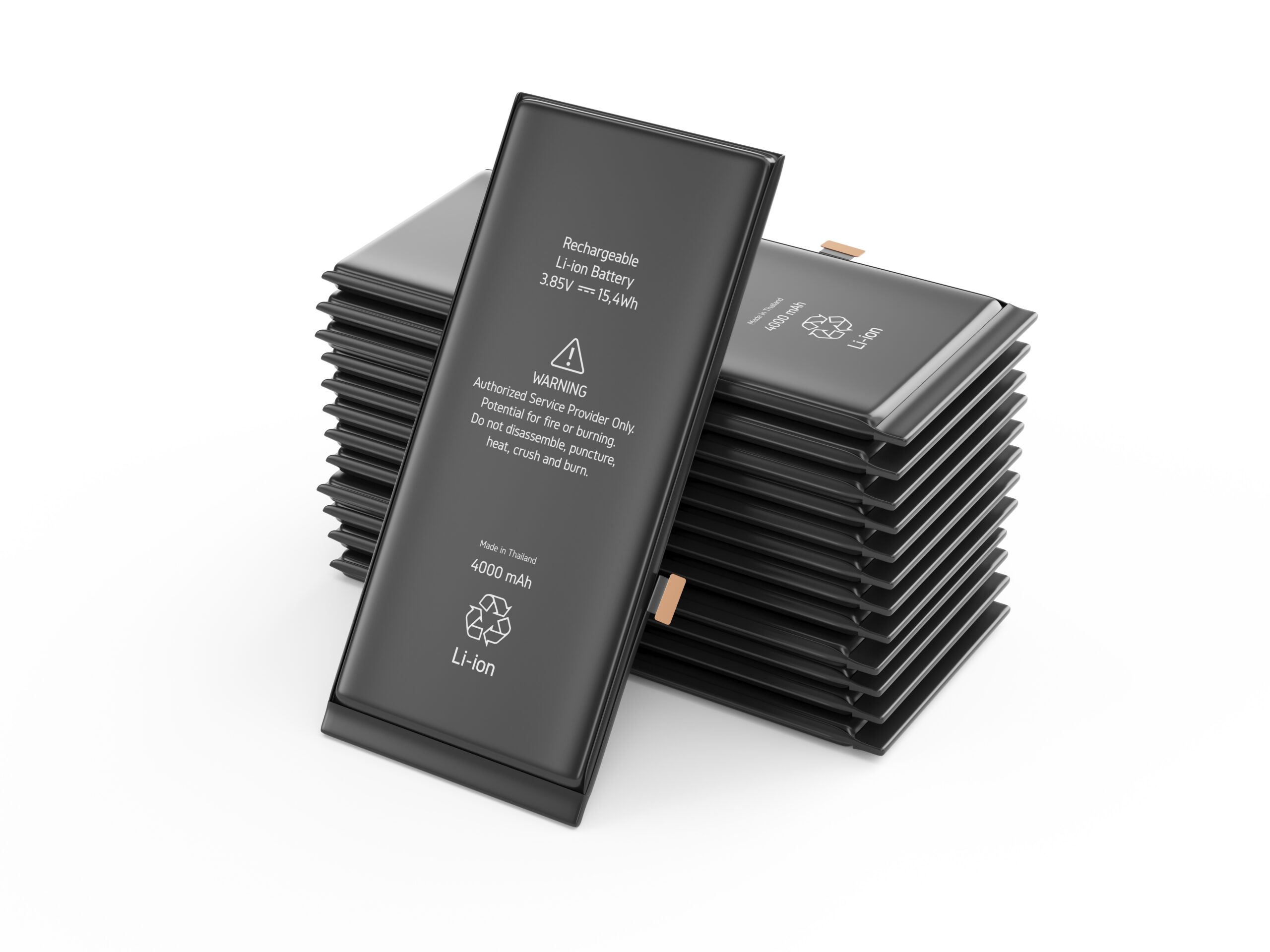
Cell phone batteries have changed a lot over time. Older mobile phones used removable battery packs that could be swapped out by hand. Most modern smartphones now use built-in rechargeable batteries that are thinner, lighter, and designed to support larger screens, apps, cameras, and constant wireless connection.
Even though they are small, cell phone batteries are complex. They contain materials that store energy, move electrical current, protect the device, and help the phone charge safely. When these batteries reach the end of their life, they should not be thrown in the trash or left sitting in drawers for years.
In this guide, you will learn the main types of cell phone batteries, how they differ, why modern phones use lithium-based batteries, and why proper recycling matters when phones and phone batteries are no longer being used.
Quick Answer: What Types of Batteries Are Used in Cell Phones?
Most modern cell phones use lithium-ion or lithium-polymer batteries.
Older cell phones may have used nickel-cadmium or nickel-metal hydride batteries, but those chemistries are much less common in today’s smartphones.
Common cell phone battery types include:
- Lithium-ion batteries
- Lithium-polymer batteries
- Nickel-metal hydride batteries
- Nickel-cadmium batteries
- Removable battery packs
- Built-in smartphone batteries
Each type has different materials, performance traits, and recycling needs.
Lithium-Ion Cell Phone Batteries
Lithium-ion batteries are the most common type found in modern cell phones and smartphones. They became popular because they can store a strong amount of energy in a small space.
That matters because phones need to stay thin and lightweight while still powering bright screens, processors, cameras, speakers, wireless connections, and background apps.
Inside a lithium-ion cell phone battery, lithium ions move between the battery’s internal layers during charging and discharging. These batteries may contain lithium-based compounds, graphite, electrolyte, copper, aluminum, separators, protective casing, and small safety circuitry.
Lithium-ion batteries are rechargeable, efficient, and practical for everyday phone use. However, they still wear out over time. After enough charge cycles, the battery may hold less power, drain faster, or need replacement.
Lithium-Polymer Cell Phone Batteries
Lithium-polymer batteries, often called LiPo batteries, are another common battery type used in modern smartphones.
A lithium-polymer battery is part of the broader lithium battery family, but it is usually designed in a thin, flexible pouch-style format. This makes it useful for phones because manufacturers can fit the battery into tighter spaces and thinner device designs.
In simple terms, lithium-polymer batteries help make sleek phone designs possible. They can be shaped more easily than older battery styles and are often used in compact electronics where space is limited.
Like lithium-ion batteries, lithium-polymer batteries still need proper handling at end of life. If they are swollen, punctured, overheated, or damaged, they should be treated carefully and kept separate from normal used batteries.
Nickel-Metal Hydride Batteries
Nickel-metal hydride batteries, also called NiMH batteries, were used in some older mobile phones before lithium-ion became the standard.
NiMH batteries are rechargeable and offered better performance than older nickel-cadmium batteries in many applications. They were commonly used in portable electronics, cordless phones, cameras, and earlier mobile devices.
Today, NiMH batteries are not common in modern smartphones, but they may still be found in older phones, replacement battery packs, and legacy electronics.
These batteries should still be recycled properly because they contain materials such as nickel, steel, plastics, and other components that should not be treated like regular trash.
Nickel-Cadmium Batteries
Nickel-cadmium batteries, also known as NiCd batteries, were used in some early rechargeable electronics and older mobile devices.
They are durable and rechargeable, but they are not commonly used in modern cell phones. One reason is that newer battery chemistries offer better energy storage, lower weight, and improved performance for today’s phones.
NiCd batteries also contain cadmium, which is one reason they require proper recycling and should not be thrown into regular waste.
If an older phone battery is labeled NiCd or nickel-cadmium, it should be separated and recycled through the proper battery recycling process.
Removable vs. Built-In Cell Phone Batteries
Older cell phones often had removable batteries. A user could open the back cover, remove the battery, and replace it with another pack.
Modern smartphones usually have built-in batteries. These are not designed to be removed casually. In many cases, the phone must be opened with tools before the battery can be accessed.
This matters for recycling because a built-in battery may need to be recycled with the full phone if it cannot be safely removed. Forcing open a device, bending the battery, or puncturing the pack can create safety risks.
Why Cell Phone Battery Recycling Matters
Cell phone batteries may be small, but they can still contain useful materials and stored energy. Lithium, cobalt, nickel, copper, aluminum, graphite, plastics, and other components may be found in different battery types.
Cell phone battery recycling helps recover materials, reduce improper disposal, and keep old phones and batteries from piling up in drawers, IT closets, repair shops, storage bins, and electronics waste streams.
Damaged batteries need extra care. A phone battery that is swollen, leaking, unusually hot, burned, punctured, or causing the phone case to bulge should not be charged, pressed flat, opened, or thrown in the trash.
How Battery Recycling & Solutions Helps
Battery Recycling & Solutions helps businesses manage cell phone battery recycling, lithium-ion battery recycling, lithium-polymer battery recycling, damaged battery handling, and mixed small battery loads.
This can include batteries from cell phones, smartphones, tablets, laptops, handheld electronics, repair shops, IT departments, schools, municipalities, and commercial cleanouts.
For businesses with old phones, loose batteries, or mixed electronics sitting in storage, Battery Recycling & Solutions provides a practical path for pickup, sorting, and proper recycling.
Frequently Asked Questions About Cell Phone Batteries
What type of battery is used in most cell phones?
Most modern cell phones use lithium-ion or lithium-polymer batteries.
Are lithium-ion and lithium-polymer batteries the same?
They are closely related, but not exactly the same. Lithium-polymer batteries are a type of lithium-based battery often designed in a thin pouch format, while lithium-ion batteries may come in several cell formats.
Did older cell phones use different batteries?
Yes. Some older phones used nickel-metal hydride or nickel-cadmium batteries before lithium-based batteries became the standard.
Can cell phone batteries be recycled?
Yes. Cell phone batteries can be recycled through proper battery recycling programs.
Can a swollen phone battery be dangerous?
Yes. A swollen battery should be treated as damaged. It should not be punctured, charged, pressed flat, or placed back into service.
Conclusion
Cell phone batteries have evolved from older nickel-based removable packs to modern lithium-ion and lithium-polymer batteries built into today’s smartphones. These newer batteries are lighter, thinner, and more powerful, but they still need proper end-of-life handling.
Understanding the different types of cell phone batteries helps businesses identify what they have, separate damaged batteries, and recycle old phones and batteries responsibly.
Battery Recycling & Solutions helps businesses manage cell phone batteries, lithium battery loads, damaged batteries, and battery-containing electronics in a cleaner, safer, and more organized way.