
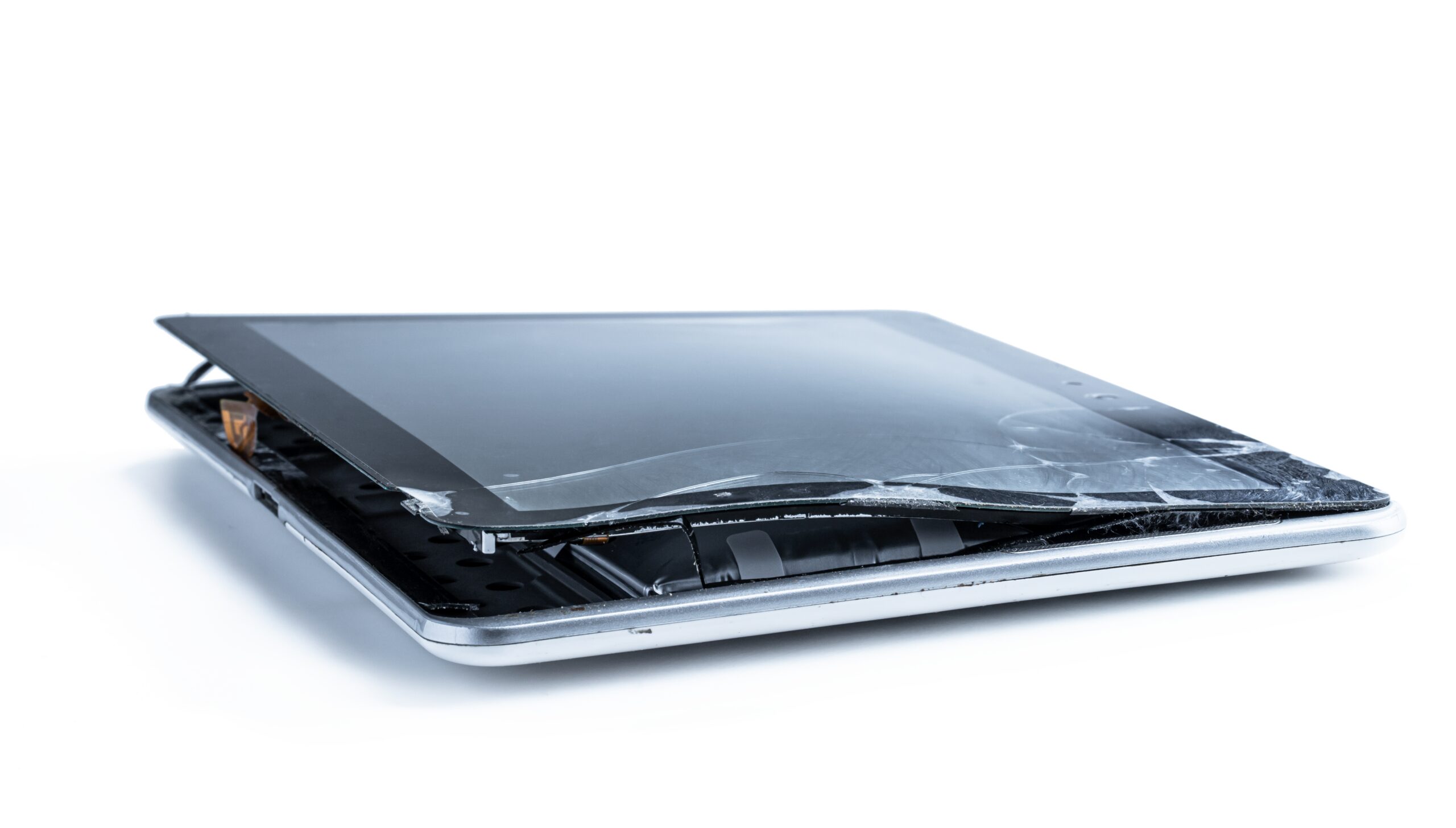
Lithium batteries are found in many everyday devices, from phones and laptops to power tools, e-bikes, scooters, medical equipment, meters, sensors, and electric vehicles. Most of the time, these batteries are safe when they are used properly, charged correctly, and kept in good condition.
The concern starts when lithium batteries are damaged, poorly made, improperly charged, stored carelessly, or thrown into the wrong waste stream. A lithium battery does not have to be large to create a problem. Even small batteries can still contain stored energy after they stop working.
In this guide, you will learn which lithium batteries are more dangerous, what warning signs to look for, why damaged lithium-ion batteries need special care, and how businesses should handle lithium batteries before recycling.
Are All Lithium Batteries Dangerous?
No, not all lithium batteries are dangerous under normal use. Many lithium batteries are designed with safety features, protective casing, and control systems that help them operate reliably.
However, lithium batteries become more concerning when they are damaged, overheated, swollen, punctured, crushed, exposed to water, charged incorrectly, or stored with loose metal objects. These conditions can increase the chance of overheating, short circuits, smoke, fire, or thermal runaway.
That is why the condition of the battery matters just as much as the battery type.
Lithium-Ion Batteries
Lithium-ion batteries are rechargeable batteries used in cell phones, laptops, tablets, power tools, e-bikes, scooters, electric vehicles, medical devices, and backup systems.
These batteries are common because they store a lot of energy in a small space. That energy density is what makes them useful, but it is also why they need careful handling when they are damaged or at the end of life.
A lithium-ion battery can become dangerous if it is crushed, punctured, overcharged, overheated, or physically damaged. If the internal layers fail, the battery can short circuit and build heat quickly. In serious cases, this can lead to swelling, venting, smoke, or fire.
Swollen Lithium Batteries
Swollen batteries are one of the clearest warning signs of a problem.
A swollen lithium battery may cause a phone screen to lift, a laptop case to bulge, or a battery pack to look puffy or misshapen. This swelling can happen when gas builds up inside the battery because of internal damage, aging, overheating, or chemical breakdown.
A swollen lithium battery should not be pressed flat, punctured, charged, opened, or forced back into a device. It should be separated from normal batteries and handled carefully.
Damaged Lithium Batteries
Damaged lithium batteries are among the most dangerous batteries to manage.
Damage can include cracks, dents, leaking, corrosion, burn marks, crushed casing, exposed wires, punctures, or signs that the battery was dropped, hit, or involved in an accident. A battery can also be damaged internally even if the outside does not look severely broken.
This is especially important for e-bike batteries, scooter batteries, EV battery modules, power tool packs, and larger lithium battery systems. These batteries may contain many cells connected together, which means one damaged cell can create a larger safety concern.
Lithium Batteries Exposed to Heat or Water
Lithium batteries should not be stored near heat, direct sunlight, open flames, or high-temperature areas. Excessive heat can stress the battery and increase the risk of failure.
Water exposure can also be a concern, especially for battery packs with electronics, terminals, or damaged casing. A lithium battery that has been flooded, soaked, or exposed to moisture should be treated carefully and kept separate until it can be properly evaluated.
Cheap, Counterfeit, or Incorrect Batteries
Lithium batteries can also become dangerous when they are low quality, counterfeit, or not designed for the device they are powering.
This is often a concern with replacement batteries, chargers, e-bike packs, scooter packs, and power tool batteries. A battery that does not match the device or charger may overheat, charge incorrectly, or fail sooner than expected.
Using the correct battery and charger matters. So does removing batteries from service when they show signs of wear, damage, or unusual behavior.
Lithium Primary Batteries
Lithium primary batteries are different from lithium-ion batteries because they are not rechargeable. They are often used in meters, sensors, alarms, medical devices, cameras, tracking equipment, and specialty electronics.
These batteries can be long-lasting and reliable, but they should not be recharged unless the label specifically says they are rechargeable. Attempting to recharge a non-rechargeable lithium battery can create safety problems.
At end of life, lithium primary batteries should be separated from regular trash and recycled through the proper battery recycling process.
Warning Signs of a Dangerous Lithium Battery
A lithium battery should be treated carefully if it is swollen, leaking, unusually hot, cracked, smoking, hissing, corroded, giving off an odor, burned, punctured, crushed, or no longer holding a charge in a normal way.
Devices can also show warning signs. A laptop that gets unusually hot, a phone with a lifting screen, a scooter battery that smells strange, or a power tool pack that changes shape should not be ignored.
If a battery looks questionable, it is better to separate it from normal used batteries.
How to Store Questionable Lithium Batteries
Lithium batteries should be stored in a cool, dry, controlled area away from heat, water, direct sunlight, flammable materials, and heavy equipment. They should not be tossed into random boxes with scrap metal, wires, tools, or other batteries.
Damaged batteries should be kept separate from intact batteries. Terminals should be protected when needed to reduce the chance of contact with metal or other battery terminals.
For businesses, a clearly labeled collection area can help keep used lithium batteries organized before pickup or recycling.
How Battery Recycling & Solutions Helps
Battery Recycling & Solutions helps businesses manage lithium batteries, lithium-ion batteries, lithium primary batteries, damaged batteries, swollen batteries, laptop batteries, power tool batteries, e-bike batteries, scooter batteries, and mixed battery loads.
For commercial locations with batteries sitting in IT rooms, warehouses, repair areas, maintenance departments, or storage spaces, Battery Recycling & Solutions provides a practical path for sorting, pickup, and proper recycling.
Frequently Asked Questions About Dangerous Lithium Batteries
Are lithium batteries dangerous when dead?
They can be. A dead lithium battery may no longer power a device, but it can still contain stored energy and should be handled carefully.
Is a swollen lithium battery dangerous?
Yes. A swollen lithium battery should be treated as damaged. It should not be punctured, charged, crushed, or placed back into a device.
Can lithium batteries go in the trash?
No. Lithium batteries should not be thrown into regular trash or standard recycling bins. They should be recycled through the proper battery recycling process.
What is the safest way to manage damaged lithium batteries?
Separate damaged batteries from normal batteries, store them in a controlled area, avoid unnecessary handling, and arrange proper recycling or disposal guidance.
Final Thoughts
The most dangerous lithium batteries are usually the ones that are damaged, swollen, overheated, punctured, crushed, exposed to water, charged incorrectly, or poorly made. A normal lithium battery in good condition is not automatically dangerous, but end-of-life batteries should still be handled with care.
The best approach is simple: identify the battery type, check for warning signs, separate damaged batteries, store them safely, and recycle them through the proper process.
Battery Recycling & Solutions helps businesses manage lithium battery recycling in a safer, cleaner, and more organized way.